
Gap Insurance — Montana
Free to compare
When Gap Insurance Enters the Conversation
You're financing a second or third vehicle in Montana and the lender's paperwork includes a gap insurance option. You already carry collision and comprehensive on your existing cars, so the question becomes whether gap is a lender requirement, a redundant product, or something that fills a real coverage hole.
Gap insurance is never a state mandate in Montana. The state requires $25,000 per person and $50,000 per accident in bodily injury liability, plus $20,000 in property damage liability, but gap coverage is optional. Lenders cannot require you to buy gap insurance as a condition of financing, though they can and do require collision and comprehensive. What gap does is cover the difference between what your collision insurance pays after a total loss and what you still owe on the loan.
“Gap insurance covers the difference between what collision pays and what you owe, not the vehicle's replacement cost.”

Meet Montana's Requirements Without Overpaying
Get My Montana Car Insurance Quote$25,000 / $50,000 / $20,000
Montana Minimum Liability
Montana requires $25,000 per person, $50,000 per accident in bodily injury liability, and $20,000 in property damage liability. Gap insurance sits outside these minimums as an optional product that addresses loan balances, not liability.
Montana Motor Vehicle Division
The Structural Reality of Collision Coverage and Loan Balances
Collision insurance pays the actual cash value of your vehicle at the time of the total loss. Actual cash value means the market value after depreciation. A vehicle loses value the moment you drive it off the lot, and it continues depreciating month by month. Your loan balance, however, does not depreciate at the same rate. You're paying down principal plus interest, and in the early years of a loan most of your payment goes to interest.
The gap is the difference between what the vehicle is worth and what you owe. If you total a financed vehicle two years into a five-year loan, collision insurance pays the depreciated market value. Without it, you're paying off a loan on a vehicle you no longer own.
This gap is widest in the first two years of ownership and narrows as you pay down the loan and the vehicle's depreciation curve flattens. Households insuring multiple vehicles in Montana face this scenario most often when adding a newly financed car to an existing policy that already carries older, paid-off vehicles.
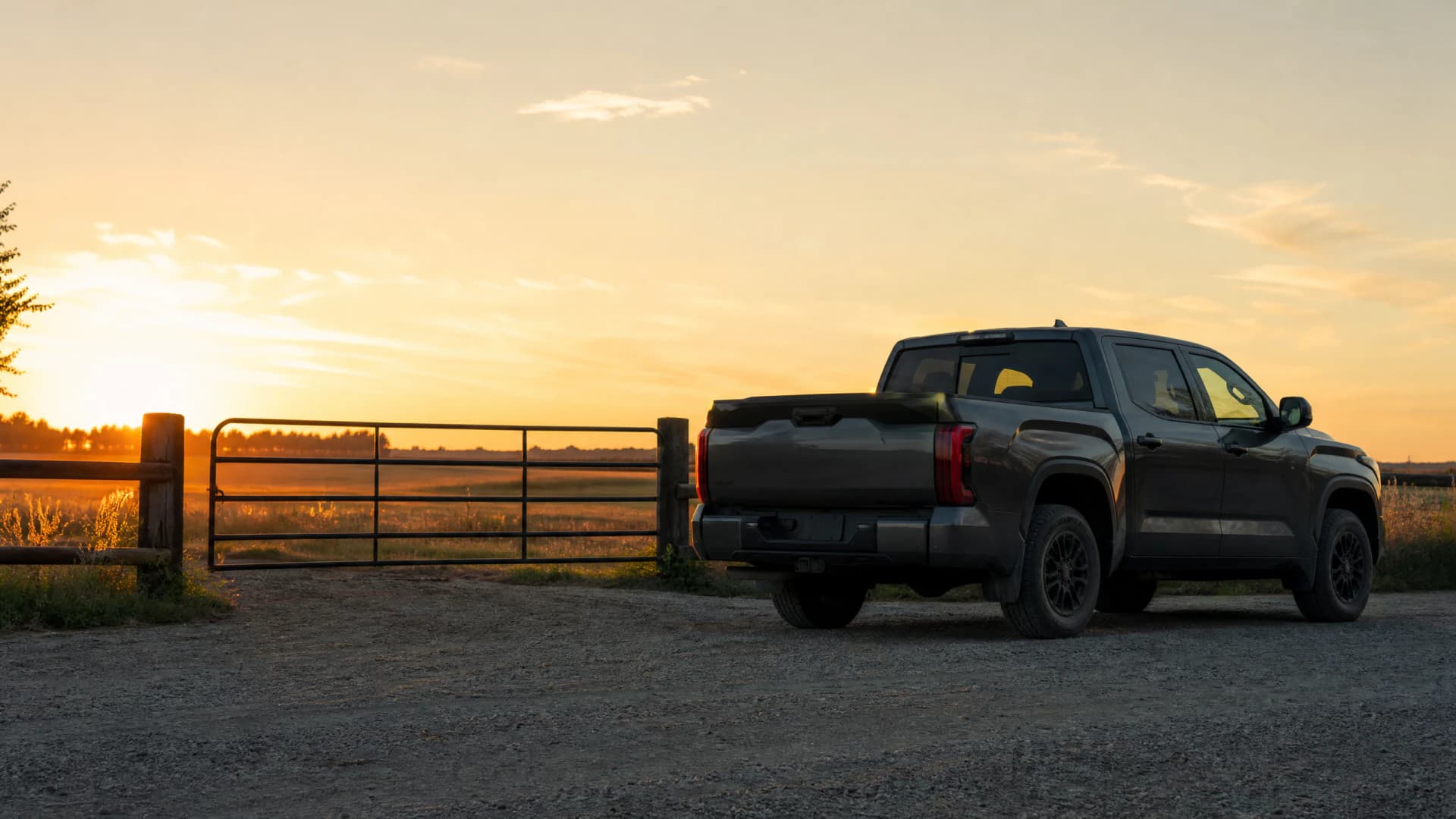
Collision insurance pays market value at the time of loss. Gap insurance pays the difference between that value and your remaining loan balance.
Related Articles






Where You Buy Gap Insurance and What It Costs
You can buy gap insurance from your auto insurance carrier or from the lender at the point of sale. Carrier-sold gap insurance is typically added to your existing collision and comprehensive coverage as an endorsement. It costs less than lender-sold gap insurance in most cases, and you can cancel it once the loan balance drops below the vehicle's value. Lender-sold gap insurance is a one-time charge rolled into the loan, which means you're paying interest on the gap premium for the life of the loan.
Montana households insuring multiple vehicles should ask their carrier whether gap coverage is available as an add-on to the collision policy on the financed vehicle. Not every carrier writes gap insurance, and some restrict it to new vehicles or loans under a certain amount. If your carrier does not offer gap coverage, compare the lender's gap product against standalone gap policies from specialty providers.
Gap insurance does not cover missed payments, loan extensions, or penalties. It covers only the difference between actual cash value and loan balance after a total loss. If you're late on payments or the loan is in default, gap insurance does not apply. The policy also does not cover deductibles, so you're still responsible for your collision deductible even when gap insurance pays the remaining loan balance.
16 carriers
Montana Auto Insurance Carriers
Sixteen carriers write auto insurance in Montana, including Allstate, Farmers, Geico, Progressive, State Farm, and USAA. Not all carriers offer gap insurance, so ask your current carrier whether gap coverage is available before shopping the lender's product.

Gap Insurance and Multi-Vehicle Policies
When you add a financed vehicle to an existing Montana policy that already covers two or three paid-off cars, gap insurance applies only to the financed vehicle. You do not need gap coverage on vehicles you own outright. The gap endorsement attaches to the specific vehicle's collision coverage, not to the policy as a whole. This means you can carry gap insurance on one car and not on the others, and you can cancel the gap endorsement once the loan balance drops below the vehicle's value without affecting the rest of your policy.
Some carriers require you to carry both collision and comprehensive on the financed vehicle before they will write gap insurance. This is standard practice because gap insurance only pays after collision insurance determines the actual cash value. If you drop collision coverage, gap coverage terminates automatically. Households structuring coverage across multiple vehicles should confirm that the financed vehicle carries collision and comprehensive before adding gap insurance.
Compare Carriers and Coverage Before You Decide
Gap insurance is not a Montana requirement, and it is not a lender requirement. It is an optional product that covers a specific financial risk: owing more on a totaled vehicle than the collision insurance pays. Whether that risk is worth the premium depends on your down payment, loan term, and how quickly the vehicle depreciates. Households adding financed vehicles to multi-car policies in Montana should compare the carrier-sold gap endorsement against the lender's product, confirm that the financed vehicle carries collision and comprehensive, and cancel the gap coverage once the loan balance drops below the vehicle's value. Use the site's comparison tool to see which Montana carriers write gap insurance and how it fits into your multi-vehicle policy structure.
When Gap Insurance Makes Sense for Montana Households
Gap insurance is most useful when you finance a new vehicle with a small down payment, typically less than 20 percent. The same logic applies when you roll negative equity from a trade-in into a new loan, which increases the gap between loan balance and vehicle value from day one.
Gap insurance is less useful when you make a large down payment, finance a used vehicle that has already absorbed most of its depreciation, or pay off the loan quickly. A vehicle financed with 30 percent down starts with a smaller gap, and a three-year loan pays down principal faster than a six-year loan. Households adding a second or third vehicle to a Montana policy should compare the loan terms and down payment against the vehicle's expected depreciation curve before deciding.
Get Your Free Quote
Get My Montana Car Insurance QuoteFrequently Asked Questions
Does Montana require gap insurance on financed vehicles?
No. Montana requires $25,000 per person and $50,000 per accident in bodily injury liability, plus $20,000 in property damage liability, but gap insurance is optional. Lenders can require collision and comprehensive coverage but cannot mandate gap insurance.
Can I buy gap insurance after I finance the vehicle?
Yes, but most carriers restrict gap insurance to vehicles financed within the past 12 months and require the loan balance to exceed the vehicle's value. If you wait too long, the gap may close and the carrier will not write the coverage.
Does gap insurance cover my collision deductible?
No. Gap insurance covers only the difference between the actual cash value paid by collision insurance and your remaining loan balance. You are still responsible for your collision deductible.
Can I cancel gap insurance once my loan balance drops?
Yes. Carrier-sold gap insurance can be canceled once the loan balance drops below the vehicle's value. Lender-sold gap insurance is a one-time charge rolled into the loan and cannot be refunded.
Do I need gap insurance on every vehicle in my Montana policy?
No. Gap insurance applies only to financed vehicles where the loan balance exceeds the vehicle's value. Vehicles you own outright do not need gap coverage.
What happens if I total a financed vehicle without gap insurance?
Collision insurance pays the actual cash value of the vehicle at the time of the loss. If that value is less than your loan balance, you are responsible for paying the difference out of pocket.