Optional Car Insurance Coverages Worth It — Montana
Free to compare
The Multi-Vehicle Coverage Decision Montana Households Face
You carry two or more vehicles on one Montana policy, and you've satisfied the state's $25,000 per person, $50,000 per accident bodily injury, and $20,000 property damage liability minimums. Now you're deciding whether to add collision, comprehensive, or uninsured motorist coverage to every vehicle, some vehicles, or none. The premium difference is substantial when you multiply optional coverages across three or four cars, but the exposure difference is equally real when one uninsured driver totals your newest vehicle and you carry no uninsured motorist coverage.
Montana does not mandate collision, comprehensive, or uninsured motorist coverage. Every household with multiple vehicles must decide which optional coverages justify the added premium across the fleet, and whether every vehicle on the policy needs the same level of protection or whether coverage can be tailored vehicle by vehicle.
“Adding collision to every vehicle can cost more than replacing one older car outright, but skipping it on the newest leaves that vehicle unprotected.”

Meet Montana's Requirements Without Overpaying
Get My Montana Car Insurance Quote7.2%
Montana Uninsured Motorist Rate
More than 1 in 14 Montana drivers carry no insurance. When an uninsured driver causes a collision, your liability coverage pays nothing for damage to your own vehicle unless you carry uninsured motorist property damage or collision coverage.
Insurance Information Institute, 2023
What Montana's Minimum Liability Covers and What It Leaves Out
Montana's required $25,000/$50,000/$20,000 liability coverage pays for damage you cause to others: their medical bills, their vehicle repairs, their lost wages. It pays nothing for damage to your own vehicles, your own medical bills if the other driver is uninsured, or repairs after a deer strike, hail storm, or theft.
A household insuring multiple vehicles under minimum liability alone is fully exposed to the cost of replacing or repairing every vehicle on the policy after any collision where the other driver is uninsured or underinsured, any single-vehicle accident, and any comprehensive loss. Optional coverages exist to close those gaps, but adding them to every vehicle on a multi-car policy can double or triple the total premium.
The decision is not whether optional coverages are valuable in the abstract—they are. The decision is whether the premium cost across multiple vehicles justifies the protection for your household's specific fleet composition, vehicle values, and financial capacity to absorb a total loss.
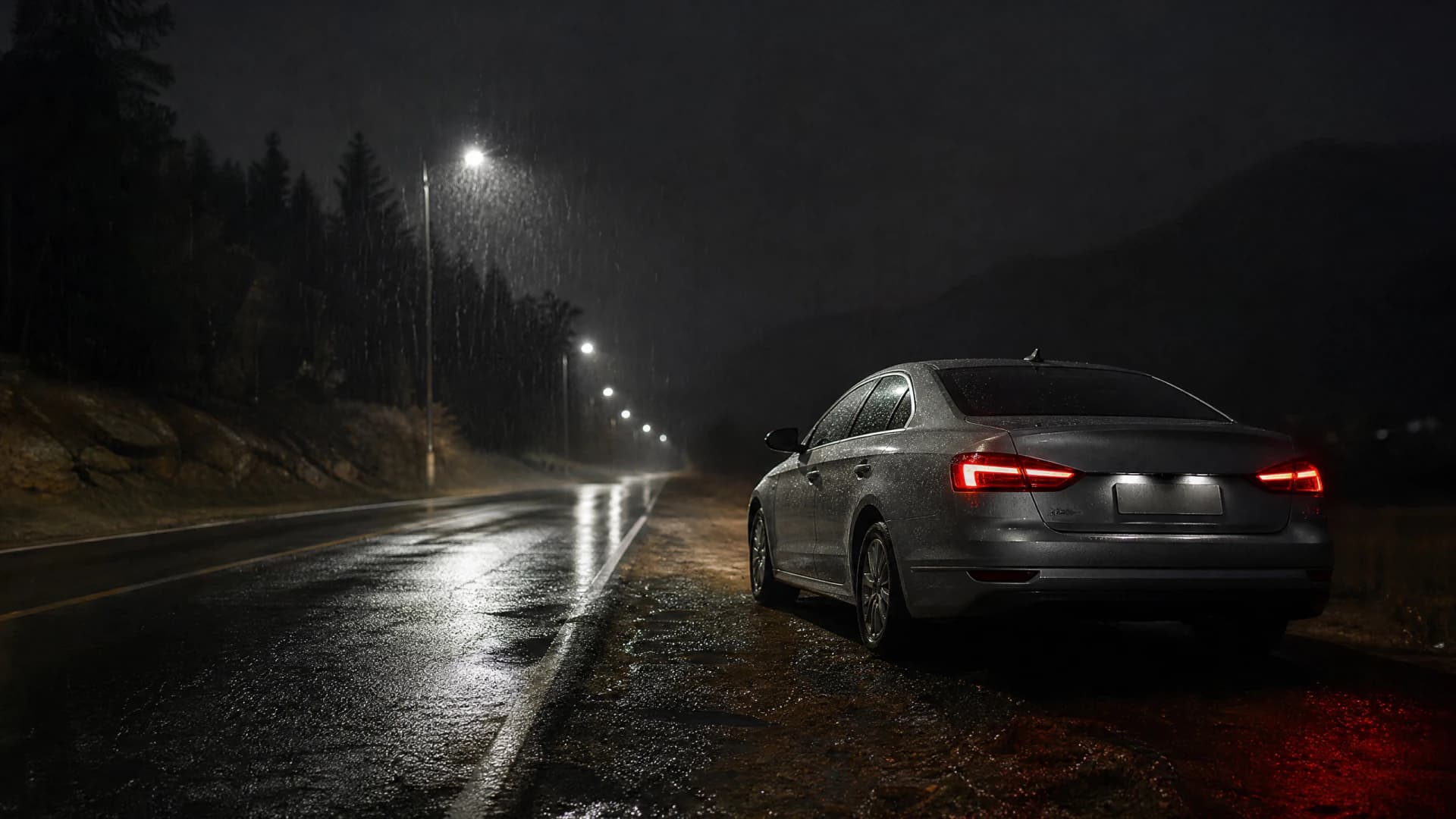
Adding collision and comprehensive to every vehicle on a three-car policy costs more annually than replacing one older vehicle outright—but skipping coverage on the newest car leaves that vehicle unprotected.
Related Articles





Uninsured and Underinsured Motorist Coverage in Montana
Montana does not require uninsured motorist coverage, but more than 1 in 14 Montana drivers carry no insurance. Uninsured motorist bodily injury coverage pays your medical bills, lost wages, and pain and suffering when an uninsured or hit-and-run driver injures you or your passengers. Underinsured motorist coverage pays the gap when the at-fault driver's liability limits are too low to cover your damages.
Uninsured motorist property damage coverage pays for vehicle repairs after a collision with an uninsured driver. This coverage duplicates collision coverage for the repair itself, but uninsured motorist property damage typically carries no deductible or a lower deductible than collision. Households that drop collision on older vehicles sometimes retain uninsured motorist property damage to cover repair costs when the other driver has no insurance, avoiding the out-of-pocket collision deductible.
Montana law allows you to reject uninsured and underinsured motorist coverage in writing, but carriers must offer it. For households with multiple vehicles, uninsured motorist bodily injury is the lowest-cost optional coverage that protects every person in every vehicle on the policy, regardless of which vehicle they occupy at the time of the collision. The coverage follows the policy, not the individual vehicle.
$25,000 / $50,000
Montana Minimum Bodily Injury Limits
Montana's minimum liability limits are among the lowest in the region. A serious injury collision can generate medical bills and lost wages far exceeding $25,000 per person, leaving the at-fault driver personally liable for the difference and leaving the injured party undercompensated if the at-fault driver carries only minimum limits.
Montana Code Annotated 61-6-103
Medical Payments Coverage and Personal Injury Protection
Montana does not require personal injury protection or medical payments coverage. The coverage applies to you, your household members, and passengers in your vehicles. Personal injury protection is not sold in Montana; the state uses a tort liability system, not a no-fault system.
Medical payments coverage is inexpensive and stacks across multiple vehicles on the same policy. If two household members are injured in the same collision while riding in separate vehicles covered by the same policy, each vehicle's medical payments limit applies separately. For households with multiple drivers and multiple vehicles, medical payments coverage provides immediate funds for emergency room visits and follow-up care without waiting for the at-fault driver's liability carrier to process a claim.
Which Optional Coverages Justify the Cost for Your Fleet
The coverage decision depends on three household-specific factors: the value of each vehicle on the policy, your financial capacity to replace a totaled vehicle without insurance proceeds, and the likelihood of specific loss types in your region.
Collision and comprehensive coverage make sense on any vehicle whose replacement cost exceeds the annual premium for those coverages by a meaningful margin. A common threshold is the two-year rule: if two years of collision and comprehensive premiums exceed the vehicle's current value, drop both coverages. Uninsured motorist bodily injury makes sense for nearly every Montana household given the state's 7.2% uninsured motorist rate and low minimum liability limits. Medical payments coverage is inexpensive enough that most multi-vehicle households add it to every vehicle on the policy for the immediate-access medical funds it provides after any collision.
Compare carriers that write multi-vehicle policies in Montana and request quotes with and without each optional coverage on each vehicle. The premium difference will clarify whether the protection justifies the cost for your specific fleet. Carriers writing multi-vehicle policies in Montana include State Farm, Geico, Progressive, Farmers, Allstate, and USAA for eligible members.
Structure Your Multi-Vehicle Coverage to Match Your Fleet
Review your current policy and identify which vehicles carry collision and comprehensive, which carry only liability and uninsured motorist, and whether every vehicle on the policy needs the same level of protection. Request quotes that tier coverage by vehicle value rather than applying the same coverages uniformly across the fleet. The premium savings from dropping collision and comprehensive on one older vehicle can fund uninsured motorist bodily injury and medical payments coverage across every vehicle on the policy, improving household-wide protection while reducing total cost. Compare carriers, compare coverage structures, and choose the combination that protects your household's highest-value assets without overpaying for coverage on vehicles you can afford to replace out of pocket.
Collision and Comprehensive Coverage Across Multiple Vehicles
Both coverages are subject to a deductible you choose—typically $500 or $1,000. The deductible applies per vehicle, per incident. If two vehicles on your policy are damaged in the same collision, you pay the deductible twice. Collision and comprehensive premiums are calculated separately for each vehicle based on its value, age, make, model, and garaging location. A 2022 truck costs more to insure for collision and comprehensive than a 2015 sedan, even when both sit on the same policy.
Montana households with multiple vehicles often carry collision and comprehensive on financed or leased vehicles—where the lender requires it—and drop both coverages on older paid-off vehicles whose replacement cost is lower than two years of collision and comprehensive premiums. This selective approach reduces total premium while protecting the household's highest-value assets. The risk is that a total loss to an uninsured older vehicle still costs the household the full replacement amount out of pocket.
Get Your Free Quote
Get My Montana Car Insurance QuoteFrequently Asked Questions
Does Montana require uninsured motorist coverage?
No. Montana does not require uninsured motorist coverage, but carriers must offer it and you must reject it in writing if you choose not to carry it.
Should I carry collision coverage on every vehicle on my Montana policy?
Not necessarily. Collision coverage makes sense on financed vehicles and newer vehicles whose replacement cost justifies the annual premium. Older vehicles whose value is low relative to the collision premium are often better left with liability and uninsured motorist coverage only, allowing you to self-insure the collision risk and reduce total premium across the policy.
What is the difference between collision and uninsured motorist property damage?
Collision pays for damage to your vehicle after any collision, regardless of fault, subject to your deductible. Uninsured motorist property damage pays for damage caused by an uninsured driver, often with no deductible or a lower deductible than collision. If you carry collision, uninsured motorist property damage is redundant for the repair itself, but it eliminates the deductible when the other driver is uninsured.
Does comprehensive coverage pay for hail damage in Montana?
Yes. Comprehensive coverage pays for hail damage, animal strikes, theft, vandalism, fire, and glass damage. Montana's weather and rural driving conditions make comprehensive coverage valuable for vehicles parked outdoors or driven in areas with high deer populations. The coverage is subject to the deductible you choose, typically $500 or $1,000.
Can I carry different coverage levels on different vehicles on the same Montana policy?
Yes. You can structure coverage vehicle by vehicle on a multi-vehicle policy. One vehicle can carry full coverage with collision and comprehensive, while another carries only liability and uninsured motorist. Tailoring coverage by vehicle value reduces total premium while protecting your highest-value assets.
Is medical payments coverage worth it for a multi-vehicle household in Montana?
Yes, for most households. Medical payments coverage is inexpensive and pays medical bills immediately after any collision, regardless of fault, with no deductible. The coverage stacks across vehicles on the same policy, so if two household members are injured in separate vehicles, each vehicle's medical payments limit applies. It provides immediate funds for emergency care without waiting for a liability claim to settle.