
Multi-Vehicle Coverage Requirements — Montana
Free to compare
When Adding a Second Vehicle Raises Coverage Questions
You just bought a second car, or a household member moved in with their vehicle, and you're trying to figure out whether adding it to your existing Montana policy changes your coverage requirements. The state minimum liability limits are $25,000 per person for bodily injury, $50,000 per accident for bodily injury, and $20,000 for property damage. The question is whether those minimums apply per policy or per vehicle.
Montana law treats each vehicle as a separate insured unit. Every car on your policy must carry the full state minimum independently. The multi-car discount reduces your premium, but it does not reduce your legal obligation. A two-car household needs liability coverage on both cars, not one set of minimums shared across the policy.
“Montana law treats each vehicle as a separate insured unit — every car on your policy must carry the full state minimum independently.”

Meet Montana's Requirements Without Overpaying
Get My Montana Car Insurance Quote$25,000 / $50,000 / $20,000
Montana Minimum Liability Per Vehicle
Montana Code Annotated 61-6-103 sets these as the minimum bodily injury and property damage limits. Every vehicle registered in Montana must carry this coverage independently. A multi-car policy does not pool minimums across vehicles.
Montana Code Annotated 61-6-103
How Montana Liability Requirements Apply Across Multiple Vehicles
The state minimum applies per vehicle, not per policy. If you insure three cars, each must carry $25,000/$50,000/$20,000 liability. You cannot carry one set of minimums and rotate coverage among vehicles. Montana's proof-of-insurance requirement ties coverage to the specific vehicle at the time of registration and at any traffic stop.
The multi-car discount reduces your total premium by grouping vehicles under one policy, but it does not change the per-vehicle coverage requirement. Carriers price each vehicle separately, apply the discount to the combined total, and then verify that every car meets state minimums. Dropping one vehicle's liability to save money leaves that car uninsured and you personally liable for any accident it causes.
When you add a vehicle mid-term, the carrier re-rates your entire policy. The new vehicle is priced based on its own risk profile, the existing vehicles are re-priced to reflect the multi-car discount, and the total premium adjusts. The grace period for adding a newly purchased vehicle is typically 14 to 30 days depending on the carrier. After that window, an unreported car can be denied at claim time.
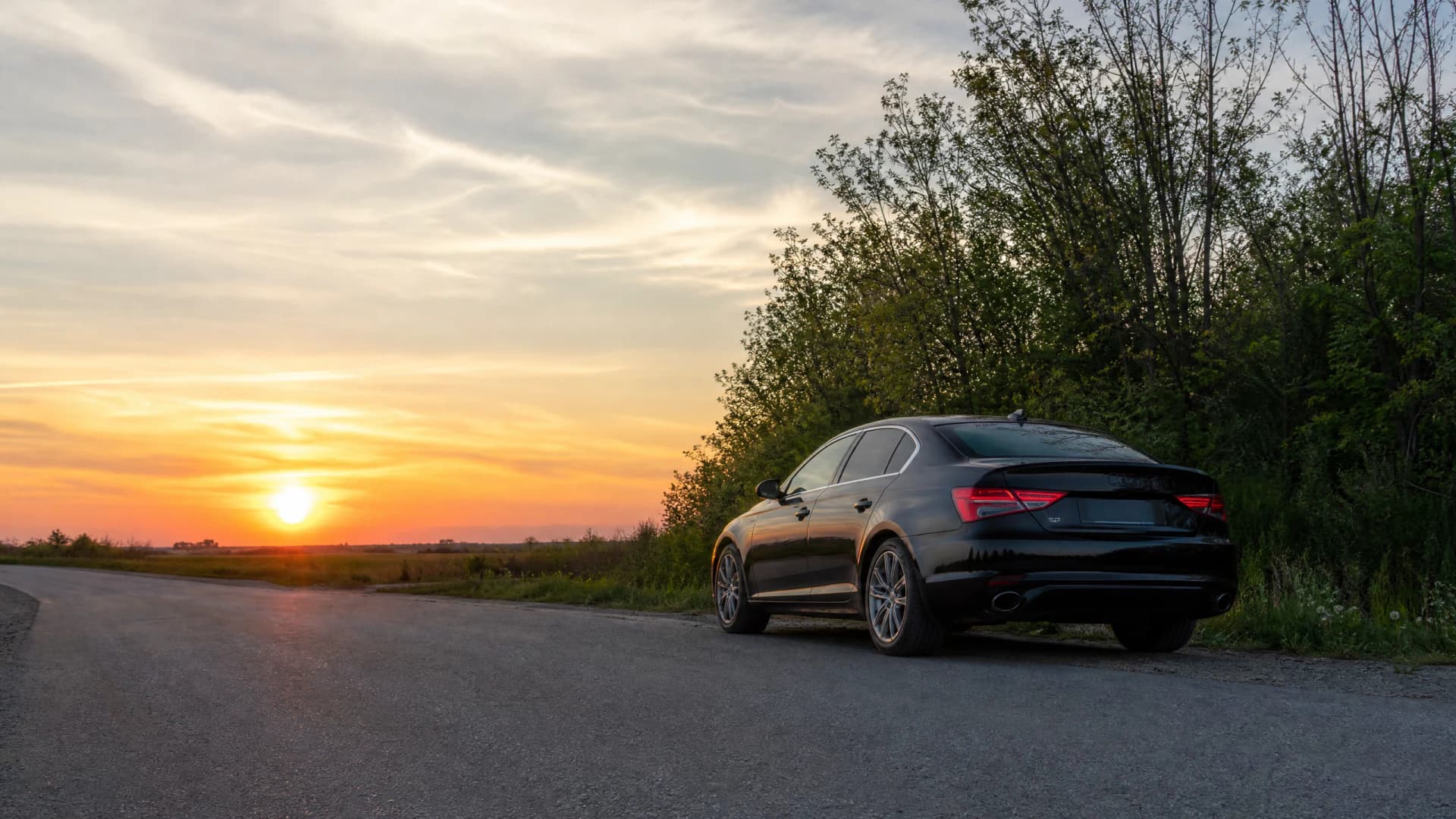
Every vehicle on your Montana policy must carry the full state minimum independently. The multi-car discount lowers your premium but does not reduce your legal coverage obligation per car.
Related Articles

Best Car Insurance Companies in Montana
7/15/2026

Full Coverage Multi-Car Insurance Montana
7/15/2026

Liability vs Full Coverage for Multiple Cars MT
7/15/2026
Best Cheap Multi-Car Insurance Montana
7/15/2026

Best Minimum Coverage Carriers — Montana
7/15/2026

Choosing a Car Insurer for Multiple Cars MT
7/15/2026

When Combining Policies Costs More Than Keeping Them Separate
Combining two policies does not automatically save money. If one household member has a DUI, a suspended license, or multiple at-fault accidents, adding their vehicle to your policy can raise your premium more than the multi-car discount reduces it. Carriers price the combined policy based on the highest-risk driver and the highest-risk vehicle. A clean-record driver with one car and a high-risk driver with another car may pay less by keeping separate policies.
Montana does not require uninsured motorist coverage or personal injury protection, but carriers often include uninsured motorist as a default unless you reject it in writing. When you combine policies, the carrier applies the higher of the two coverage levels to the new policy. If one policy carried uninsured motorist and the other did not, the combined policy will include it unless you explicitly decline. This raises the combined premium but provides protection if an uninsured driver hits any vehicle on your policy.
A vehicle titled to someone outside your household cannot be added to your policy. The multi-car discount requires all vehicles to be owned or leased by household members listed on the policy. A roommate's car, a parent's car garaged at a different address, or a vehicle titled to a business does not qualify. If you need to insure a vehicle you do not own, a non-owner policy covers you as a driver but does not extend the multi-car discount to the vehicle itself.
16 carriers
Montana Multi-Vehicle Carriers
Sixteen carriers write auto insurance in Montana and accept multiple vehicles on one policy. Comparing quotes across carriers is the only way to see which applies the largest multi-car discount to your specific household. Rates vary by vehicle type, driver history, and garaging location.

How Adding or Removing a Vehicle Re-Rates Your Policy
Adding a vehicle mid-term does not simply add a flat amount to your premium. The carrier re-rates your entire policy. The new vehicle is priced based on its year, make, model, and how it will be used. The existing vehicles are re-priced to reflect the multi-car discount now applied across more cars. The total premium adjusts, and the carrier prorates the change to your current term. If you add a high-value or high-risk vehicle, the increase can be larger than the cost of insuring that vehicle alone on a separate policy.
Removing a vehicle works the same way. The carrier re-rates the remaining vehicles without the multi-car discount applied to as many cars. Your premium drops, but not by the full amount you were paying for the removed vehicle. If you drop from three cars to two, the remaining two lose part of the discount they were receiving when grouped with three. The net reduction is smaller than the per-vehicle cost of the car you removed.
What Happens If One Vehicle Drops Below State Minimums
Montana requires continuous proof of insurance for every registered vehicle. If one car on your policy drops below the $25,000/$50,000/$20,000 minimum, the state can suspend your registration for that vehicle. The suspension does not affect your other vehicles if they still carry valid coverage, but the uninsured car cannot be driven legally.
If you let coverage lapse on one vehicle because you are not driving it, the state does not distinguish between a garaged car and a daily driver. Every registered vehicle must carry minimum liability or be formally surrendered to the county treasurer. Surrendering plates removes the insurance requirement, but the vehicle cannot be driven until you re-register it and provide proof of coverage. Carriers do not allow you to keep a vehicle on your policy without liability coverage, even if you add comprehensive-only coverage for theft or weather damage while the car sits unused.

Compare Carriers Writing Multiple Vehicles in Montana
The multi-car discount varies by carrier, and the base rate each carrier charges matters more than the discount percentage. A smaller discount on a lower base rate can cost less than a larger discount on a higher one. State Farm, Geico, Progressive, Allstate, Farmers, USAA, Nationwide, Liberty Mutual, Travelers, and National General all write multiple vehicles in Montana. Get quotes from at least three carriers with every vehicle listed, every driver named, and the same coverage levels on each quote. The only way to see which carrier applies the best combined rate to your household is to compare the final premium after the discount is applied.
What the Multi-Car Discount Actually Covers
Carriers writing Montana auto insurance typically require every vehicle to sit on the same policy to qualify for the discount. A car titled to a household member on a separate policy does not count toward your multi-car discount, even if both policies are with the same carrier. The discount applies to the combined premium after each vehicle is priced individually. The percentage varies by carrier, but the mechanism is consistent: the carrier prices each car, applies the discount to the total, and confirms every vehicle meets state minimums.
When you combine two existing policies after marriage or a household move, the carrier re-rates every vehicle under the new policy structure. The combined premium is usually lower than the sum of the two separate policies, but not always. If one household member has a recent violation or a high-risk vehicle, the combined policy may price higher than keeping the policies separate. Carriers writing multiple vehicles in Montana include State Farm, Geico, Progressive, Allstate, Farmers, and USAA. Compare quotes with every vehicle listed to see the actual combined rate.
Get Your Free Quote
Get My Montana Car Insurance QuoteFrequently Asked Questions
Does the multi-car discount reduce the coverage I need to carry on each vehicle in Montana?
No. The multi-car discount reduces your premium, not your legal coverage obligation. Every vehicle on your Montana policy must carry the full $25,000/$50,000/$20,000 state minimum liability independently. The discount applies to the combined premium after each vehicle is priced separately.
Can I insure two cars on one Montana policy if they are titled to different household members?
Yes, as long as both household members live at the same address and are listed on the policy. The multi-car discount requires all vehicles to be owned or leased by household members. A vehicle titled to someone outside your household cannot be added to your policy.
What happens to my premium if I add a third vehicle to my Montana policy mid-term?
The carrier re-rates your entire policy. The new vehicle is priced individually, the existing vehicles are re-priced to reflect the multi-car discount applied across more cars, and the total premium adjusts. The increase is not simply the cost of the new vehicle added to your current premium.
Do I save money by combining two separate Montana auto policies into one multi-car policy?
Usually, but not always. If one household member has a recent violation or a high-risk vehicle, the combined policy may price higher than keeping the policies separate. The only way to know is to get a quote with every vehicle and driver listed on one policy and compare it to the sum of your current separate premiums.
Can I drop liability coverage on one vehicle if I am not driving it but keep it on my Montana policy?
No. Carriers do not allow you to keep a vehicle on your policy without liability coverage. If you are not driving the car, you can surrender the plates to the county treasurer to remove the insurance requirement, but the vehicle cannot be driven until you re-register it and provide proof of coverage.
How long do I have to add a newly purchased vehicle to my Montana policy before coverage lapses?
Most carriers provide a grace period of 14 to 30 days to add a newly purchased vehicle, but the exact window varies by carrier. After that period, an unreported car can be denied at claim time. Contact your carrier immediately after purchase to confirm the grace period and add the vehicle.