
Roadside Assistance on Multi-Car Policies — Montana
Free to compare
The Coverage Question Every Multi-Car Household Asks
You're adding roadside assistance to a Montana auto policy that already covers two or three vehicles. The carrier's quote shows a line item for roadside coverage, but it doesn't say whether that charge covers every car on the policy or just one. You need to know: does roadside assistance work like liability coverage — one policy-level limit that applies to all your vehicles — or does each car need its own add-on?
The structural reality is simpler than most carriers explain upfront. Roadside assistance through an auto insurance carrier is priced and applied per vehicle, not per policy. If you want towing and lockout service for three cars, you pay three separate add-on charges. That per-vehicle pricing changes the math when you're comparing a carrier add-on to a standalone roadside membership that covers the member across any vehicle they're driving.
“Roadside assistance is priced per vehicle, not per policy — three cars require three separate add-ons.”
Meet Montana's Requirements Without Overpaying
Get My Montana Car Insurance Quote$25,000 / $50,000 / $20,000
Montana Minimum Liability Limits
Montana requires $25,000 bodily injury per person, $50,000 per accident, and $20,000 property damage. These minimums apply to every vehicle on your policy, but roadside assistance sits outside the liability framework and is priced separately per car.
Montana Code Annotated 61-6-103
How Roadside Assistance Is Priced on a Multi-Vehicle Policy
Roadside assistance is an optional coverage endorsement. When you add it to a Montana auto policy, the carrier applies the charge to each vehicle individually. A household insuring three cars pays three roadside add-on fees — one per vehicle — not one policy-level charge that covers all three.
This per-vehicle structure mirrors how collision and comprehensive work, not how liability works. Your liability limits apply to the policy as a whole; any covered vehicle can draw on the same $50,000 per-accident limit. Roadside assistance does not pool across vehicles. Each car gets its own towing limit, its own lockout service, its own fuel delivery allowance.
Carriers writing Montana multi-car policies — including Geico, State Farm, Progressive, Farmers, Allstate, and USAA — all price roadside coverage per vehicle. The per-car charge typically appears as a separate line item on your declarations page, listed under each vehicle's coverage block rather than under policy-level coverages.
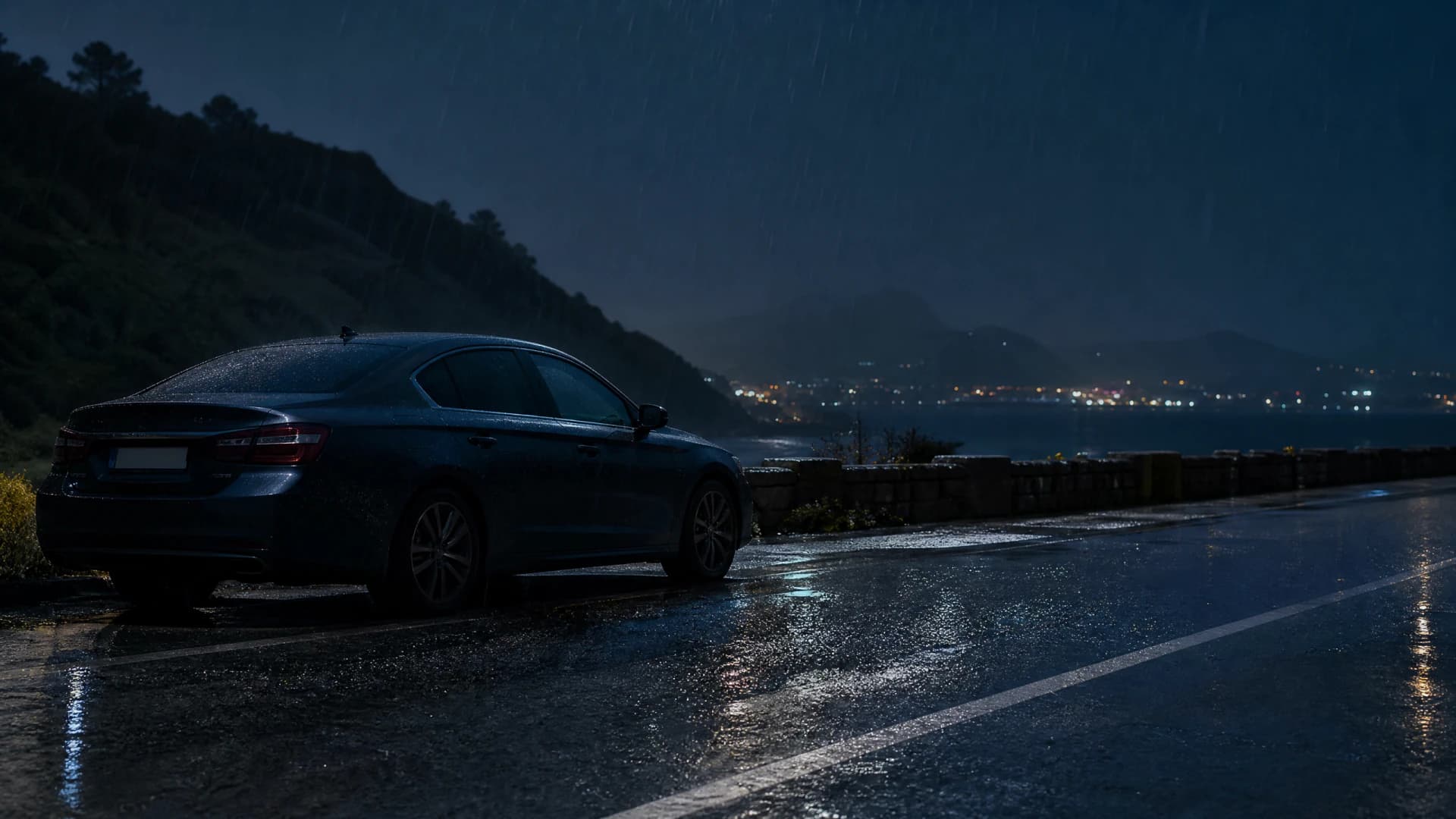
Roadside assistance applies per vehicle, not per policy. Three cars on one policy require three separate roadside add-ons to cover all three.
Related Articles





When the Carrier Add-On Makes Sense
Carrier roadside coverage integrates with your auto policy. You file one claim, the carrier coordinates the tow, and the service appears on your policy activity. There's no separate membership to renew, no second phone number to remember, and no question about whether the car or the driver is covered — the vehicle is covered, period.
For households where every driver primarily uses their own assigned vehicle, and where those vehicles rarely leave the household, per-vehicle carrier add-ons can be simpler. You're already paying the carrier for liability, collision, and comprehensive on each car. Adding roadside assistance to the same policy keeps everything in one place.
The carrier add-on also avoids the membership-lapse risk. A standalone roadside membership renews annually. If you forget to renew and your card expires, you're paying out-of-pocket for the tow. Carrier roadside coverage renews automatically with your auto policy, which renews every six or twelve months depending on your term.
16 carriers
Montana Multi-Car Policy Carriers
Sixteen carriers write multi-vehicle policies in Montana, including Geico, State Farm, Progressive, Farmers, Allstate, USAA, Travelers, Liberty Mutual, Nationwide, Hartford, CSAA, Amica, National General, Bristol West, Root, and The General. All offer optional roadside assistance priced per vehicle.
Montana insurance carrier roster

Combining Roadside Coverage Across Vehicles
You cannot combine roadside assistance across vehicles on the same policy. Each car either has the add-on or it doesn't. If you add roadside to two of your three vehicles, only those two are covered. The third vehicle has no towing benefit, even though it sits on the same policy and shares the same liability limits.
Some households split the decision: they add carrier roadside coverage to the vehicles most likely to need it — older cars, cars driven by newer drivers, cars used for long commutes — and skip it on newer or rarely-driven vehicles. That approach lowers the total add-on cost but leaves gaps. If the uncovered vehicle breaks down, you pay the tow out-of-pocket or file a claim under a standalone membership if you carry one.
What to Do Right Now
Pull your current Montana auto policy declarations page. Look for roadside assistance line items under each vehicle. Count how many vehicles carry the add-on and note the per-vehicle charge. Multiply that charge by the number of vehicles you want covered.
Compare that total to the annual cost of a standalone roadside membership. If the membership costs less than your total carrier add-on charges and you or another household driver occasionally uses vehicles not on your policy, the membership is the better structure. If every driver in your household uses only their assigned vehicle and you value the integrated-claim simplicity, the carrier add-on works. Make the decision vehicle-by-vehicle if your household's usage splits that way, but understand that partial coverage leaves gaps the policy won't fill.
Carrier Add-On Versus Standalone Membership
A carrier add-on covers the vehicle. If your teenage driver takes your car and locks the keys inside, the roadside coverage on that vehicle applies. If they're driving a friend's car, it doesn't. A standalone membership — AAA, Better World Club, or a motor club — typically covers the member, not the vehicle. You can call for service whether you're in your own car, a rental, or a borrowed vehicle.
For a Montana household insuring three vehicles, the math looks like this: three carrier roadside add-ons cost three times the per-vehicle fee. A standalone membership covers the member across any vehicle for one annual fee. If the per-vehicle carrier charge runs close to the cost of a standalone membership divided by your vehicle count, the membership often wins — especially if you or another household driver occasionally drives cars not on your policy.
Get Your Free Quote
Get My Montana Car Insurance QuoteFrequently Asked Questions
Does roadside assistance cover all vehicles on a Montana multi-car policy?
No. Roadside assistance applies per vehicle, not per policy. If you want towing and lockout service for three cars on one Montana policy, you pay three separate roadside add-on charges. Each vehicle either has the coverage or it doesn't.
Can I add roadside assistance to only some vehicles on my Montana policy?
Yes. You can add roadside assistance to any combination of vehicles on your Montana multi-car policy. Carriers price the add-on per vehicle, so you pay only for the cars you choose to cover. Vehicles without the add-on have no towing or lockout benefit.
Is a standalone roadside membership cheaper than carrier add-ons for multiple cars?
Often, yes. A standalone membership covers the member across any vehicle for one annual fee. If you're adding carrier roadside coverage to three vehicles, the combined per-vehicle charges often exceed the cost of a single membership. Compare the total carrier add-on cost to the membership fee.
Does carrier roadside assistance cover me in a rental car in Montana?
No. Carrier roadside assistance covers the vehicle listed on your policy, not the driver. If you're driving a rental car and need a tow, your policy's roadside coverage does not apply. A standalone roadside membership typically covers the member in any vehicle, including rentals.
What happens if I drop roadside assistance mid-term on a Montana policy?
You can remove roadside assistance from any vehicle on your Montana policy at any time. The carrier refunds the unused portion of the add-on premium for that vehicle. The rest of your coverage — liability, collision, comprehensive — remains in place.
Do all Montana carriers offer roadside assistance on multi-car policies?
Most do. Sixteen carriers writing Montana multi-vehicle policies offer optional roadside assistance, including Geico, State Farm, Progressive, Farmers, Allstate, and USAA. The per-vehicle charge and towing limits vary by carrier. Compare the add-on cost and service limits when you quote.