
Personal Injury Protection in Montana — Not Required
Free to compare
Montana Does Not Require PIP
Montana does not require Personal Injury Protection coverage on your auto insurance policy. The state's minimum liability requirement is $25,000 per person for bodily injury, $50,000 per accident for bodily injury, and $20,000 for property damage. No medical-expense coverage component is mandated, and PIP is not offered as a standard optional add-on by most carriers writing in Montana.
If you're moving from a state where PIP is mandatory or you're accustomed to first-party medical coverage on your policy, Montana's liability-only minimum represents a structural shift. Your policy pays for injuries you cause to others, not for your own medical bills or those of passengers in your vehicles. For households insuring two or more cars, this gap applies to every vehicle on the policy unless you deliberately add coverage that fills it.
“Montana liability coverage pays others' medical bills when you cause an accident, not your own.”

Meet Montana's Requirements Without Overpaying
Get My Montana Car Insurance Quote$25,000 / $50,000 / $20,000
Montana Minimum Liability
Montana's state minimum covers bodily injury per person, bodily injury per accident, and property damage. No medical-expense coverage is required. This is the legal floor for every vehicle registered in the state.
Montana Code Annotated 61-6-103
What PIP Covers in States That Require It
Personal Injury Protection pays medical expenses, lost wages, and sometimes funeral costs for you and your passengers after an accident, regardless of who caused it. In states that mandate PIP, the coverage applies immediately without waiting for fault determination or a liability settlement. It functions as first-party protection: your own policy pays your own bills.
Montana's liability-only minimum does not include this first-party medical component. If you are injured in an accident you caused, your liability coverage pays the other driver's medical bills but not yours. If you are injured in an accident someone else caused, you rely on their liability coverage to pay your medical expenses. If the at-fault driver is uninsured or underinsured, you have no automatic medical-expense protection unless you have added optional coverage to your policy.
For households with multiple vehicles, this structural reality applies to every car on the policy. A collision involving any of your vehicles triggers the same liability-only framework. The absence of PIP means the household must either accept the gap or deliberately structure alternative coverage across all insured vehicles.
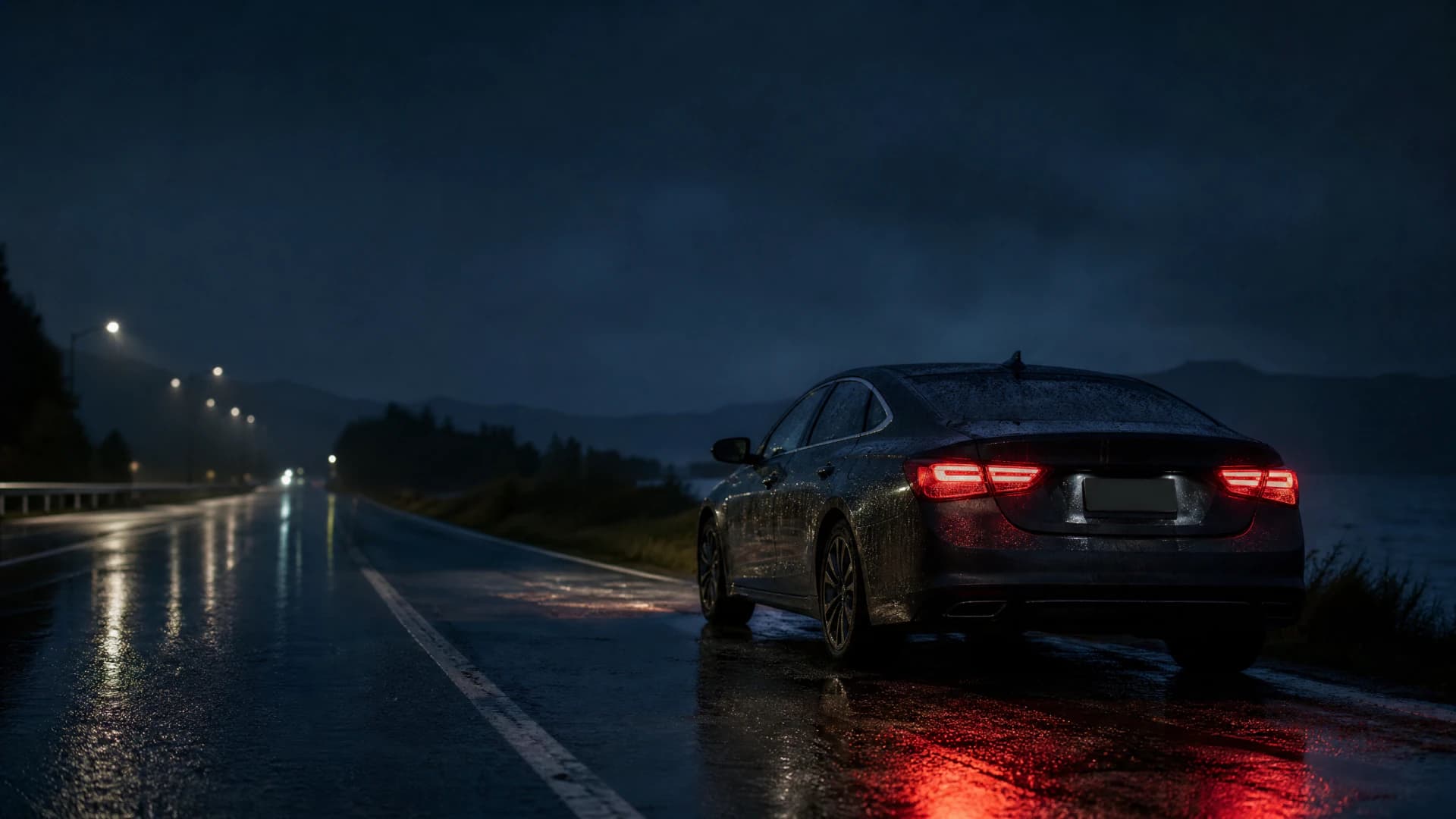
Montana liability coverage pays others' medical bills when you cause an accident. It does not pay your own medical expenses or those of your passengers.





How the Absence of PIP Affects Multi-Car Households
A household insuring two or more vehicles under Montana's liability-only minimum carries the same medical-expense gap across every car. If one vehicle is involved in an at-fault accident, the driver and passengers in that vehicle have no first-party medical coverage unless MedPay or UM/UIM was added to the policy. If a second vehicle is hit by an uninsured driver, the same gap applies.
Adding MedPay or UM/UIM to a multi-vehicle policy covers all listed cars with a single coverage election. You do not add MedPay separately to each vehicle. The policy-level coverage applies to every car and every household member driving those cars. This structure simplifies coverage decisions for households with multiple vehicles but requires a deliberate choice at the policy level.
Households moving from PIP-mandatory states often assume medical-expense coverage is automatic. In Montana it is not. The state minimum is liability-only. If you want first-party medical protection, you add it as an optional coverage when you structure the policy.
16 carriers
Montana Auto Insurance Carriers
Sixteen carriers write auto insurance in Montana. Most offer MedPay and UM/UIM as optional add-ons. Not all carriers offer identical coverage limits or pricing structures for these optional coverages.
Montana carrier roster data

Comparing Carriers for MedPay and UM/UIM
Carriers writing in Montana vary in how they structure MedPay and UM/UIM. Some offer higher MedPay limits than others. Some bundle UM/UIM with uninsured-motorist property damage; others separate the coverages. For a household insuring multiple vehicles, these structural differences affect total policy cost and coverage breadth across all cars.
When comparing carriers, confirm which optional coverages are available and at what limits. Carriers that write multi-vehicle policies typically apply the same MedPay and UM/UIM elections to every listed vehicle, so the coverage decision scales across the household.
Next Step for Multi-Vehicle Households
If you are structuring coverage for two or more vehicles in Montana, decide whether the liability-only state minimum is sufficient for your household or whether you want first-party medical protection. If you want that protection, request quotes that include MedPay or UM/UIM at the limits you need. Compare carriers on both the base liability premium and the cost of adding optional medical coverages across all your vehicles. Montana does not require PIP, but you control whether your household carries an equivalent.
Coverage Options That Replace PIP's Function
Medical Payments coverage (MedPay) pays medical expenses for you and your passengers after an accident, regardless of fault. MedPay does not cover lost wages or funeral expenses the way PIP does in some states, but it does provide immediate medical-expense reimbursement without requiring a liability determination. For a household insuring multiple vehicles, one MedPay policy covers all listed cars and all household members driving them.
Uninsured and Underinsured Motorist coverage (UM/UIM) pays your medical expenses and lost wages when you are injured by a driver who has no insurance or insufficient liability limits. Montana does not require UM/UIM, but carriers writing in the state typically offer it as an optional add-on. UM/UIM applies only when the at-fault driver is uninsured or underinsured. It does not cover accidents you cause. For multi-vehicle households, UM/UIM on one policy protects every listed vehicle and every household member.
Get Your Free Quote
Get My Montana Car Insurance QuoteFrequently Asked Questions
Does Montana require Personal Injury Protection on auto insurance policies?
No. Montana does not require Personal Injury Protection. The state minimum is liability-only: $25,000 per person for bodily injury, $50,000 per accident for bodily injury, and $20,000 for property damage. No medical-expense coverage is mandated.
What coverage replaces PIP in Montana?
Medical Payments coverage (MedPay) and Uninsured/Underinsured Motorist coverage (UM/UIM) provide first-party medical protection similar to PIP. Both are optional add-ons in Montana. MedPay pays your medical expenses regardless of fault; UM/UIM pays when the at-fault driver is uninsured or underinsured.
Does MedPay cover all vehicles on a multi-car policy in Montana?
Yes. MedPay is a policy-level coverage. When you add it to a multi-vehicle policy, it covers every listed vehicle and every household member driving those vehicles. You do not add MedPay separately to each car.
Can I add PIP to my Montana auto insurance policy?
Most carriers writing in Montana do not offer PIP as an optional coverage. MedPay and UM/UIM are the standard first-party medical coverages available. Check with carriers writing in Montana to confirm which optional coverages they offer.
What happens if I am injured in an accident I caused in Montana?
Your liability coverage does not pay your own medical expenses. If you have MedPay on your policy, it pays your medical bills regardless of fault. If you do not have MedPay or another first-party medical coverage, you rely on your health insurance or pay out of pocket.
Is UM/UIM required in Montana?
No. Montana does not require Uninsured or Underinsured Motorist coverage. It is an optional add-on. Carriers writing in Montana typically offer it, and it applies to every vehicle on the policy when added.