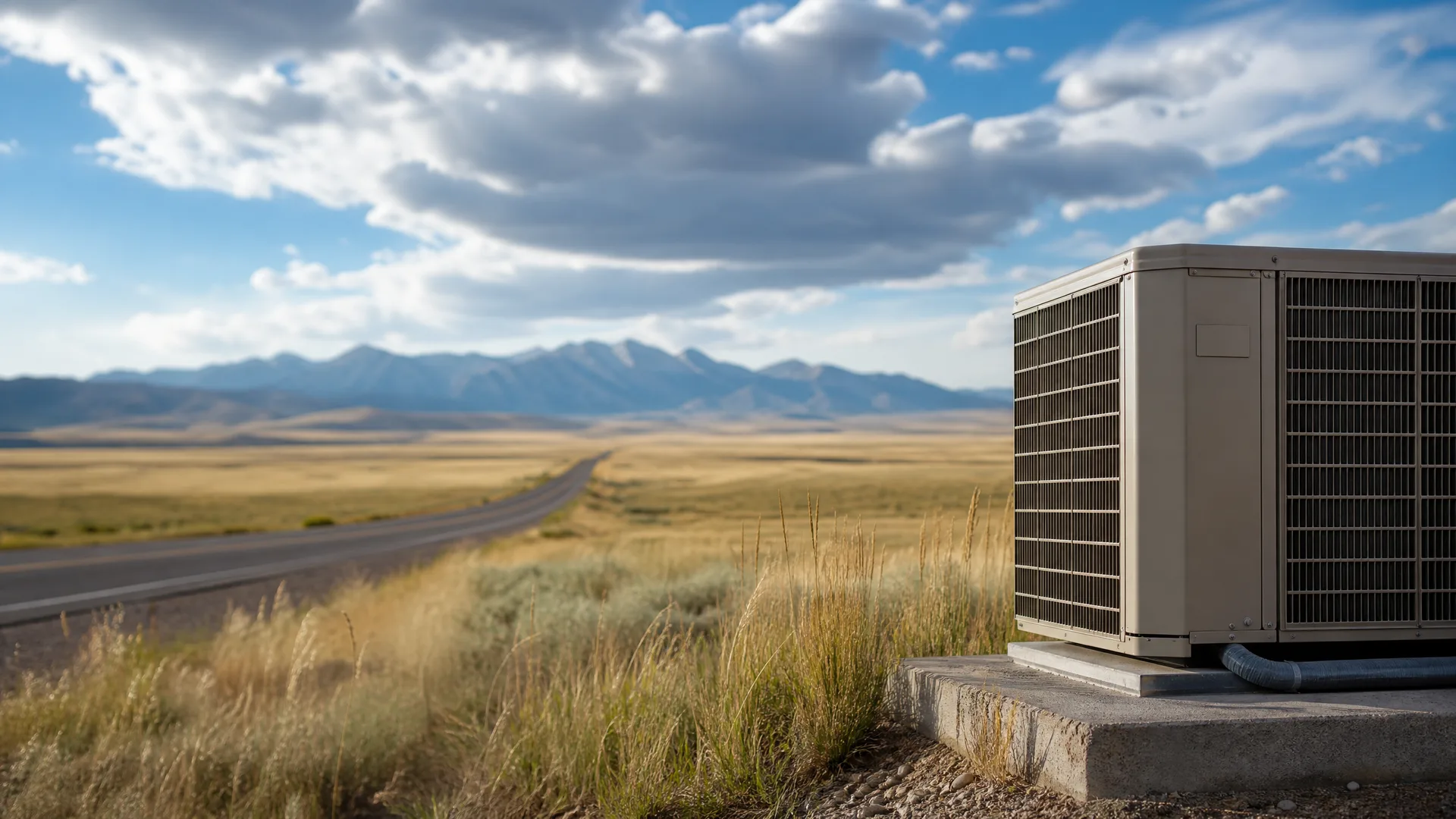
Medical Payments Coverage — Montana
Free to compare
Montana Does Not Require Medical Payments Coverage
Montana law does not require medical payments coverage on your auto insurance policy. The state mandates only liability coverage: $25,000 bodily injury per person, $50,000 per accident, and $20,000 property damage. Medical payments coverage, often called MedPay, is optional in Montana. You can legally register and drive your vehicles without it.
Households insuring multiple vehicles often add MedPay anyway. The reason: health insurance deductibles and out-of-pocket maximums create a gap between what your health plan pays immediately and what you owe after a collision. MedPay fills that gap for everyone in your household who rides in any of your insured vehicles, regardless of who was driving or who caused the accident.
“MedPay pays immediately for accident-related medical bills across every vehicle on your policy, regardless of fault or who was driving.”

Meet Montana's Requirements Without Overpaying
Get My Montana Car Insurance Quote$25,000 / $50,000 / $20,000
Montana Minimum Liability Limits
Montana requires bodily injury coverage of $25,000 per person and $50,000 per accident, plus $20,000 property damage. These limits cover injuries and damage you cause to others, not your own medical bills.
Montana state minimum liability requirements
What Medical Payments Coverage Actually Pays
MedPay reimburses medical expenses incurred within a set period after an auto accident, typically one to three years depending on your carrier and policy terms. Covered expenses include emergency room visits, ambulance transport, hospital stays, surgery, X-rays, dental work necessitated by the collision, and follow-up care. MedPay pays regardless of fault. If you rear-end another vehicle or another driver hits you, MedPay covers your medical bills up to the policy limit you selected.
The coverage extends to every person in your household who rides in any vehicle on your policy. If your spouse drives one car and your college-age child drives another, both vehicles carry the same MedPay limit. A passenger injured in either vehicle also receives MedPay benefits. This household-wide structure makes MedPay particularly efficient for families managing multiple cars on one policy.
MedPay pays primary or secondary depending on your health insurance coordination-of-benefits rules. In most cases, MedPay pays first and your health insurer covers remaining costs, which means you avoid paying your health plan deductible out of pocket for accident-related care. Some health plans subrogate and recover payments from your auto insurer later, but MedPay still provides immediate cash flow when you need it.

Montana liability coverage pays for injuries you cause to others. MedPay pays for your own medical bills and those of your passengers, regardless of fault.



MedPay Versus Health Insurance Coordination
MedPay and health insurance serve different functions. Health insurance covers all medical care, accident-related or not, subject to deductibles, copays, and network restrictions. MedPay covers only accident-related medical expenses, pays without a deductible, and does not restrict you to in-network providers. When both coverages apply, MedPay typically pays first.
This coordination matters most when your health plan has a high deductible or a narrow network. If the nearest emergency room is out of network and your health plan applies a higher out-of-network deductible, MedPay still pays its full limit with no network restriction. If your health plan requires prior authorization for certain follow-up procedures, MedPay pays without authorization requirements. The coverage is simpler and faster than health insurance for accident-related care.
Some health insurers include subrogation clauses that allow them to recover payments from your auto insurer after MedPay pays. This does not affect your immediate access to care. MedPay pays the provider directly or reimburses you, and any subrogation negotiation happens between the insurers later. You are not responsible for managing that process.
7.2%
Montana Uninsured Motorist Rate
Seven percent of Montana motorists drive without insurance. If an uninsured driver injures you, their liability coverage does not exist. MedPay covers your medical bills immediately while you pursue other recovery options.
Montana uninsured motorist statistics, 2023
Selecting a MedPay Limit for Multiple Vehicles
When you add MedPay to a multi-vehicle policy, you select one limit that applies per person per accident across all vehicles. The limit you choose should reflect your health insurance deductible and the number of people who regularly ride in your vehicles.
The cost of MedPay is modest relative to the coverage it provides. The coverage applies to every person in every vehicle on the policy, which makes the per-person cost even lower for households with multiple cars. Compare the monthly MedPay premium to your health plan deductible: if the annual MedPay cost is less than your deductible, the coverage pays for itself after one accident.
Adding MedPay When You Structure Your Multi-Car Policy
MedPay is added when you quote or renew your policy. If you currently insure multiple vehicles without MedPay, contact your carrier or use their online portal to add the coverage mid-term. The change takes effect immediately, and your premium adjusts for the remaining term. If you are quoting a new multi-vehicle policy, request MedPay limits from every carrier you compare. Not all carriers offer the same limit options, and the cost varies by carrier even for the same limit.
The incremental cost between limits is often small. Structure the comparison around your household's actual health insurance and the number of vehicles and drivers you insure. Compare carriers that write multi-vehicle policies in Montana and offer MedPay as an optional coverage.
How Multi-Vehicle Households Use MedPay
A household with three vehicles and four drivers generates more trips, more miles, and more exposure to collision risk than a single-car household. When any driver or passenger in that household is injured in any of those vehicles, MedPay pays immediately. You select one MedPay limit when you structure the policy, and that limit applies per person per accident across all vehicles.
The coverage is especially useful when your health plan carries a high deductible. Either way, MedPay reduces your immediate out-of-pocket cost.
Get Your Free Quote
Get My Montana Car Insurance QuoteFrequently Asked Questions
Does Montana require medical payments coverage on auto insurance?
No. Montana does not require medical payments coverage. The state mandates only liability coverage: $25,000 bodily injury per person, $50,000 per accident, and $20,000 property damage. MedPay is optional.
What does medical payments coverage pay for in Montana?
MedPay reimburses medical expenses incurred after an auto accident: emergency room visits, ambulance transport, hospital stays, surgery, X-rays, dental work, and follow-up care. It pays regardless of fault and covers every person in your household who rides in any vehicle on your policy.
How does MedPay work with health insurance?
MedPay typically pays first, before your health insurance. This allows you to avoid paying your health plan deductible out of pocket for accident-related care. Some health insurers subrogate and recover payments from your auto insurer later, but that does not affect your immediate access to care.
What MedPay limit should I choose for a multi-vehicle household?
Select a limit that matches or exceeds your health insurance deductible. The limit applies per person per accident across all vehicles on your policy.
Can I add MedPay to an existing multi-car policy in Montana?
Yes. Contact your carrier or use their online portal to add MedPay mid-term. The coverage takes effect immediately, and your premium adjusts for the remaining term. When you renew or quote a new policy, request MedPay at several limits to compare cost and coverage.
Does MedPay cover passengers in my vehicles?
Yes. MedPay covers every person in your household and any passenger injured while riding in a vehicle on your policy, regardless of who was driving or who caused the accident. The coverage applies per person per accident up to your selected limit.