Teen Driver Insurance — Montana
Free to compare
Adding a Teen Driver to Your Montana Multi-Car Policy
Your teenager just earned their intermediate license at 15, and you need to add them to your household policy that already covers two or three vehicles. Montana's graduated licensing system imposes strict passenger and night-driving restrictions on new drivers, and those restrictions directly affect how your multi-car policy works. Most households assume the teen can drive any vehicle on the policy, but probationary rules limit which cars they can legally operate and when.
Montana requires every vehicle on your policy to carry at least $25,000 bodily injury per person, $50,000 bodily injury per accident, and $20,000 property damage. When you add a teen driver, the insurer re-rates every vehicle on the policy because the teen is now a rated driver on the household. That re-rating happens whether the teen drives one car or all three, and it happens the moment the teen is listed on the policy.
“Montana's passenger and night restrictions create collision-claim risk — the teen's violation can void their own vehicle's coverage even when liability still applies.”

Meet Montana's Requirements Without Overpaying
Get My Montana Car Insurance Quote$25,000/$50,000/$20,000
Montana Minimum Liability
Every vehicle on your multi-car policy must carry at least this much liability coverage when a teen driver is added. The insurer rates every vehicle for the teen's risk profile, even if the teen drives only one car.
Montana Department of Justice, Motor Vehicle Division
How Montana's Graduated License Affects Multi-Car Coverage
Montana's intermediate license begins at age 15 and carries two hard restrictions: no more than one passenger younger than 18 for the first six months, then a maximum of three passengers younger than 18 after that, and a night curfew from 11 PM to 5 AM. These are legal driving restrictions, not insurance restrictions, but they create a coverage problem most households miss.
If your teen violates the passenger or night restriction and causes an accident, your liability coverage still applies because the policy covers the vehicle. The insurer cannot deny a third-party claim based on a licensing violation. But the teen's own collision or comprehensive claim can be denied if the insurer determines the violation contributed to the loss. That means your household's collision coverage on the teen's primary vehicle is at risk every time they drive outside their license restrictions.
The multi-car discount applies to every vehicle on the policy, but the teen's presence re-rates the entire policy. Carriers calculate the teen's risk against every vehicle, then apply the highest-risk assignment. If you own a sedan, a truck, and a sports car, the insurer assumes the teen will drive all three unless you explicitly exclude them from specific vehicles. Exclusions are rare on family policies, and most carriers will not allow them when the teen lives in the household full-time.
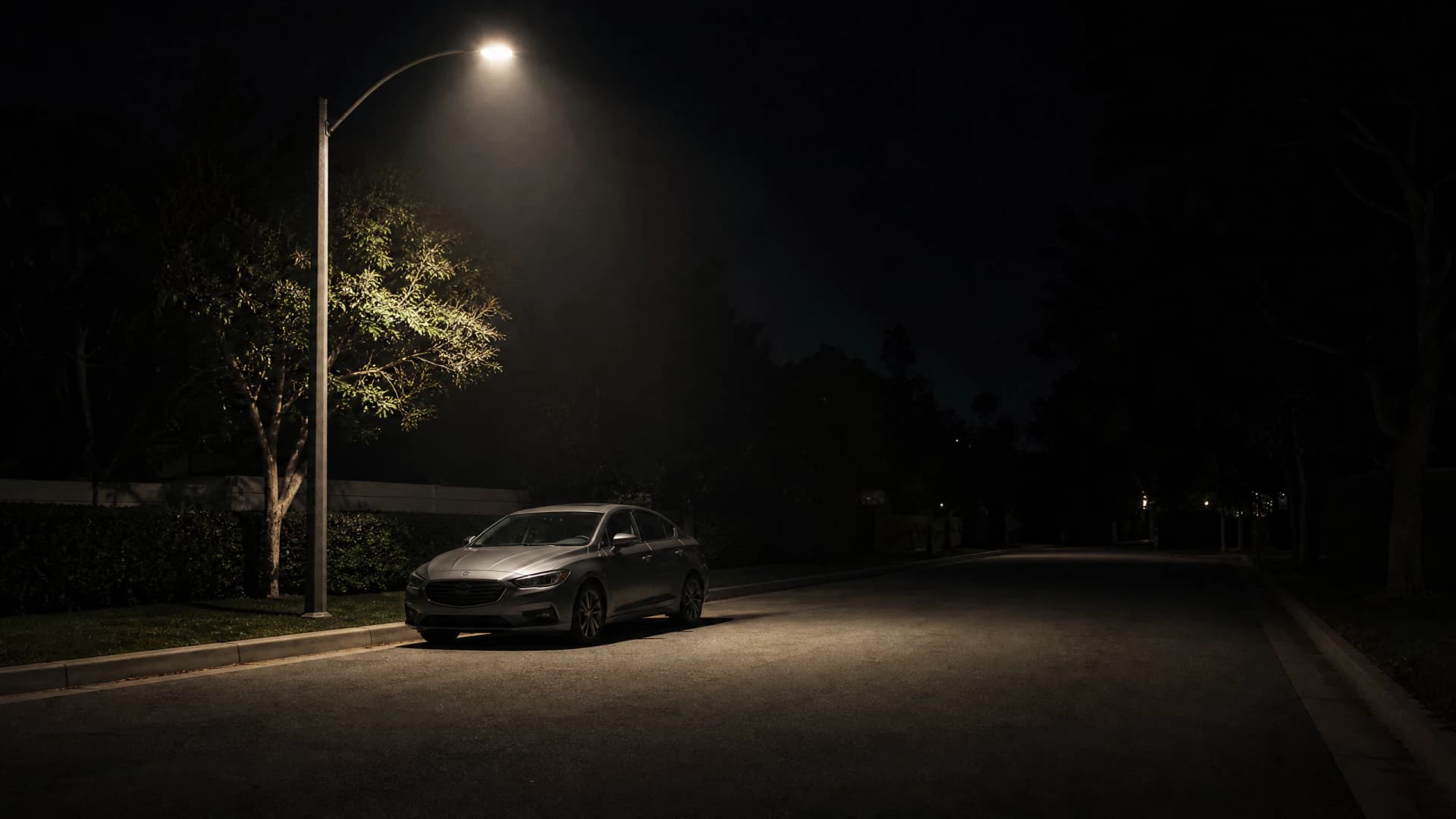
Montana's passenger and night restrictions create collision-claim risk on multi-car policies — the teen's violation can void their own vehicle's physical-damage coverage even when liability still applies.


How Adding a Teen Re-Rates Your Multi-Car Policy
When you add a teen driver mid-term, the insurer recalculates your premium for every vehicle on the policy. This is not a flat surcharge — it is a full re-rating. The carrier pulls the teen's age, gender, and license status, then applies those factors to every vehicle. The multi-car discount still applies, but the base premium for each vehicle rises because the household now includes a high-risk driver.
Montana law does not cap how much a carrier can increase your premium when a teen is added. The increase depends on the teen's age, the vehicles on your policy, and the carrier's rating model. A 15-year-old on an intermediate license typically produces a larger increase than a 16-year-old who has held the license for a year. The increase applies to the entire policy term, not just the months the teen drives.
If you own three vehicles and the teen drives only one, you cannot avoid the re-rating on the other two by keeping the teen off their titles. The insurer rates for household access, not title ownership. The only way to isolate the teen's rating impact is to move them to a separate policy, but that eliminates the multi-car discount and usually costs more than keeping everyone on one policy.
15 carriers
Montana Multi-Car Carriers
Fifteen carriers write multi-car policies in Montana, including Allstate, Farmers, Geico, Progressive, State Farm, and USAA. Not all carriers rate teen drivers the same way — some assign the teen to one vehicle, others spread the risk across all vehicles on the policy.
Collision Coverage and Probationary License Violations
Montana's night and passenger restrictions create a collision-coverage gap that most households do not anticipate. If your teen violates the curfew or passenger limit and causes an accident, your liability coverage pays the other driver's damages regardless of the violation. Liability follows the vehicle, and the insurer cannot deny a third-party claim based on the driver's license status. But the teen's own collision claim — the damage to your household's vehicle — can be denied if the insurer determines the violation contributed to the loss.
This is not a theoretical risk. If your teen crashes at 1 AM with two passengers in the car, the insurer will investigate whether the late hour or the distraction of passengers caused the accident. If the investigation concludes the violation was a contributing factor, the carrier can deny the collision claim and leave your household responsible for repairing the vehicle. The liability claim still pays, but your own car is not covered.
Compare Carriers That Write Teen Drivers on Multi-Car Policies
Not every carrier rates teen drivers the same way on multi-car policies. Some assign the teen to one vehicle and apply a reduced surcharge to the others. Others spread the teen's risk equally across all vehicles. The difference in rating method can produce premium variations of hundreds of dollars per year on a three-vehicle policy. Allstate, Farmers, Geico, Progressive, State Farm, and USAA all write multi-car policies in Montana and all accept teen drivers, but their rating models differ.
When comparing carriers, ask how the teen is assigned to vehicles and whether you can designate a principal vehicle for the teen. Ask whether the carrier allows exclusions if you want to keep the teen off a specific high-value vehicle, and confirm whether probationary license violations affect collision claims. These are not standard disclosures — you have to ask directly. Montana's minimum liability requirements apply to every vehicle on your policy, but the way carriers rate teen access varies widely.
Which Vehicles the Teen Can Drive on Your Policy
Most carriers assign the teen to the highest-risk vehicle on your policy by default. If you own a sedan and a pickup, the insurer assumes the teen drives both and rates the policy accordingly. You can request a principal-driver assignment that ties the teen to one specific vehicle, but the carrier still factors teen access into the other vehicles' rates at a reduced weight. The only way to fully remove the teen's rating impact from a vehicle is to exclude them from that vehicle in writing, and most carriers will not allow exclusions when the teen lives in the household and has regular access to all cars.
The probationary restrictions do not change this rating structure. The passenger and night limits are legal constraints, not insurance constraints. Your carrier does not care whether the teen drives at 10 PM or midnight — the rating reflects the statistical risk of a 15- or 16-year-old driver, not their compliance with Montana's curfew. The restriction matters only when a claim happens and the insurer investigates whether a violation contributed to the loss.
Get Your Free Quote
Get My Montana Car Insurance QuoteFrequently Asked Questions
Does Montana require higher liability limits when I add a teen driver?
No. Montana requires $25,000 bodily injury per person, $50,000 bodily injury per accident, and $20,000 property damage for every vehicle on your policy, regardless of who drives. Adding a teen does not change the state minimum, but your insurer will re-rate every vehicle on your multi-car policy to reflect the teen's risk profile.
Can I exclude my teen from one vehicle on my Montana multi-car policy?
Most carriers will not allow exclusions when the teen lives in the household and has regular access to all vehicles. You can request a principal-driver assignment that ties the teen to one specific vehicle, but the insurer still factors teen access into the other vehicles' rates at a reduced weight.
What happens if my teen violates Montana's passenger or night restriction and crashes?
Your liability coverage pays the other driver's damages regardless of the violation. But your teen's collision claim — the damage to your household's vehicle — can be denied if the insurer determines the probationary violation contributed to the accident. Liability follows the vehicle; collision coverage depends on compliance.
How long does Montana's intermediate license last?
Montana's intermediate license begins at age 15 and continues until the driver turns 18. The passenger restriction eases after six months (from one passenger younger than 18 to three), but the night curfew from 11 PM to 5 AM remains in effect until the driver receives a full license at 18.
Does the multi-car discount still apply when I add a teen driver in Montana?
Yes. The multi-car discount applies to every vehicle on your policy when you add a teen driver. But the insurer re-rates the entire policy to reflect the teen's risk, so the discount reduces a higher base premium. The net effect is still an increase, but the multi-car discount keeps it lower than splitting the teen onto a separate policy.