Multi-Car Insurance Savings — Montana
Free to compare
When Adding a Vehicle Changes Your Policy Structure
You just bought a second car and called your carrier to add it to your existing Montana policy. The agent quoted a premium higher than you expected, and you're trying to understand whether the multi-car discount applied, whether you should have started a separate policy instead, or whether combining policies after the fact will lower your total cost. The confusion stems from a structural reality most drivers don't encounter until they own multiple vehicles: the multi-car discount isn't automatic, and adding a vehicle mid-term re-rates your entire policy rather than simply adding a flat amount on top.
Montana requires $25,000 per person, $50,000 per accident bodily injury liability, and $20,000 property damage liability for every registered vehicle. When you add a second vehicle, both vehicles must meet these minimums, and most carriers apply the multi-car discount only when every vehicle sits on the same policy and shares a garaging address. This article walks through how the discount works, what blocks it, and how to structure coverage across multiple vehicles in Montana.
“A vehicle garaged at a different address may not qualify for the multi-car discount, even if it's titled to someone in your household.”
Meet Montana's Requirements Without Overpaying
Get My Montana Car Insurance Quote$25,000/$50,000/$20,000
Montana Minimum Liability Per Vehicle
Every registered vehicle in Montana must carry at least $25,000 bodily injury per person, $50,000 per accident, and $20,000 property damage. Adding a second vehicle doubles your minimum-coverage obligation, and carriers re-rate the policy based on both vehicles' risk profiles.
Montana Motor Vehicle Division
The Multi-Car Discount Requires One Policy
The multi-car discount applies when two or more vehicles sit on the same auto insurance policy. It does not apply when you own multiple vehicles insured on separate policies, even if both policies are with the same carrier. The discount typically reduces the per-vehicle premium by a percentage, but that percentage varies by carrier and is not a figure you can rely on without a direct quote.
Most Montana carriers writing multi-vehicle policies require every vehicle to share a garaging address. A vehicle titled to a household member but garaged at a different address may not qualify for the same-policy discount, even if that household member is listed as a driver on your policy. When you add a vehicle mid-term, the carrier re-rates the entire policy based on both vehicles' make, model, year, garaging zip code, and the driving records of everyone in the household who has access to either vehicle.
If you currently have two separate policies and want to combine them, request a quote for a single multi-vehicle policy from carriers writing Montana. Compare the combined-policy premium to the sum of your two current premiums. In many cases the combined premium is lower, but not always—particularly when one vehicle is high-risk or when one driver has a recent violation.
A vehicle titled to someone outside your household or garaged at a different address may not qualify for the multi-car discount, even if you're paying for its coverage.




How Adding a Vehicle Re-Rates Your Policy
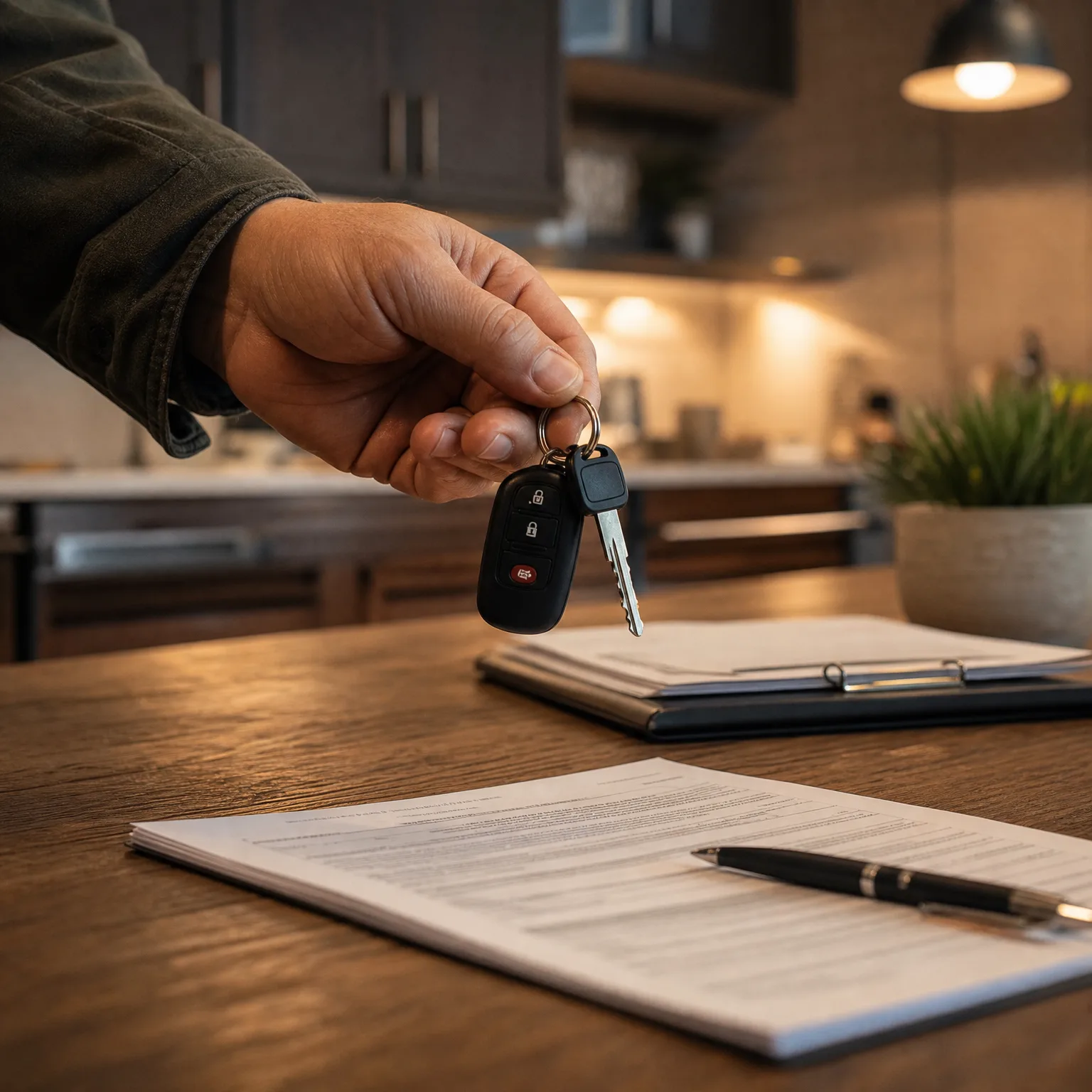
When you add a second or third vehicle to an existing Montana policy, the carrier does not simply add a flat per-vehicle charge. Instead, the carrier re-rates the entire policy based on the combined risk profile of all vehicles and all drivers. The new premium reflects the make, model, year, and garaging zip code of every vehicle, the driving records of every listed driver, and the coverage levels you select for each vehicle. A second vehicle with higher liability limits or comprehensive and collision coverage will increase the total premium more than a second vehicle with minimum liability only.
Most carriers provide a grace period—typically 14 to 30 days—during which a newly purchased vehicle is automatically covered under your existing policy at the same coverage levels as your current vehicles. You must report the new vehicle to your carrier within that window to lock in coverage and receive an updated premium. If you miss the grace period and have an accident in the unreported vehicle, the carrier can deny the claim. The grace period does not extend your payment due date, and the updated premium applies retroactively to the date you took possession of the vehicle.
If the re-rated premium is higher than you expected, request quotes from other carriers writing Montana multi-vehicle policies. Carriers weight risk factors differently, and a carrier that penalizes one vehicle's high-risk profile heavily may offer a better rate for a different vehicle mix. Compare quotes for the same coverage levels across all vehicles to ensure an accurate comparison.
16 carriers
Montana Multi-Vehicle Carriers
At least 16 carriers write multi-vehicle policies in Montana, including Allstate, Farmers, Geico, Progressive, State Farm, and USAA. Not all carriers offer the same multi-car discount structure, and some specialize in high-risk or non-standard households. Compare quotes from at least three carriers.
Montana insurance carrier roster
Combining Policies After Marriage or a Move
When two household members each have a separate auto insurance policy and want to combine them onto one multi-vehicle policy, request quotes from carriers writing Montana before canceling either existing policy. The combined premium is often lower than the sum of the two separate premiums, but not always. If one driver has a recent violation, a suspended license, or a high-risk vehicle, the combined policy may be rated higher than expected, and keeping separate policies may be the better financial decision in the short term.
If you decide to combine, coordinate the effective date of the new policy with the cancellation dates of both existing policies to avoid a coverage gap. Most carriers will backdate a new policy to match your current coverage end date if you request it at quote time, but confirm the effective date in writing before canceling either existing policy. A lapse in coverage—even one day—can result in a license suspension in Montana and higher premiums when you reinstate.
Compare Carriers Writing Your Household's Vehicles
Multi-car discounts vary by carrier, and the carrier offering the lowest rate for one vehicle may not offer the lowest rate for two or three. Request quotes from at least three carriers writing Montana, and provide the same vehicle details, driver information, and coverage levels to each. Compare the total annual premium for all vehicles combined, not the per-vehicle breakdown, because the multi-car discount applies at the policy level.
Montana's average annual auto insurance expenditure per insured vehicle was $1,154.92 in 2023, but that figure reflects single-vehicle policies and does not account for multi-car discounts or household-specific risk factors. Your actual premium depends on your vehicles' make, model, and year, your garaging zip code, every listed driver's age and driving record, and the coverage levels you select. Use Montana's comparison tool to request quotes from carriers writing multi-vehicle policies in your county, and confirm each quote includes the multi-car discount before committing.
What Carriers Require for the Multi-Car Discount
Every vehicle must be listed on the same auto insurance policy. Separate policies with the same carrier do not qualify. The vehicles must share a garaging address in most cases, meaning the address where each vehicle is parked overnight. A vehicle garaged at a second home, a college parking lot, or a different household member's address may be excluded from the discount even if it's titled to someone in your household. Carriers verify garaging addresses at quote time and again at renewal, and misrepresenting a garaging address can result in a denied claim.
All drivers in the household who have access to any of the vehicles must be listed on the policy or explicitly excluded. A household member with a suspended license or a recent DUI may be required to sign an exclusion form, and excluding a driver removes their access to all vehicles on the policy. If an excluded driver operates a vehicle on your policy and has an accident, the carrier can deny the claim. When you add a vehicle, the carrier re-rates based on every listed driver's record, not just the vehicle's primary driver.
Get Your Free Quote
Get My Montana Car Insurance QuoteFrequently Asked Questions
Does the multi-car discount apply if I have two policies with the same carrier?
No. The multi-car discount applies only when all vehicles are listed on the same auto insurance policy. Two separate policies with the same carrier do not qualify, even if both policies cover vehicles you own. To receive the discount, combine all vehicles onto one policy.
How long do I have to report a new vehicle to my Montana carrier?
Most Montana carriers provide a 14- to 30-day grace period during which a newly purchased vehicle is automatically covered under your existing policy. You must report the vehicle within that window to lock in coverage and receive an updated premium. Missing the grace period can result in a denied claim.
Can I insure a vehicle garaged at a different address on my Montana policy?
It depends on the carrier. Most carriers require all vehicles on a multi-car policy to share a garaging address. A vehicle garaged at a second home, a college parking lot, or a different household member's address may not qualify for the multi-car discount and may need a separate policy.
What happens if I add a high-risk driver to my multi-vehicle policy?
The carrier re-rates the entire policy based on every listed driver's record. A driver with a recent violation, a suspended license, or a DUI will increase the premium for all vehicles on the policy. Some carriers allow you to exclude a high-risk driver, but an excluded driver cannot operate any vehicle on the policy.
Is it cheaper to combine two separate policies into one multi-vehicle policy?
Often, but not always. Request quotes for a combined multi-vehicle policy from carriers writing Montana and compare the combined premium to the sum of your two current premiums. If one driver has a recent violation or one vehicle is high-risk, keeping separate policies may be cheaper in the short term.