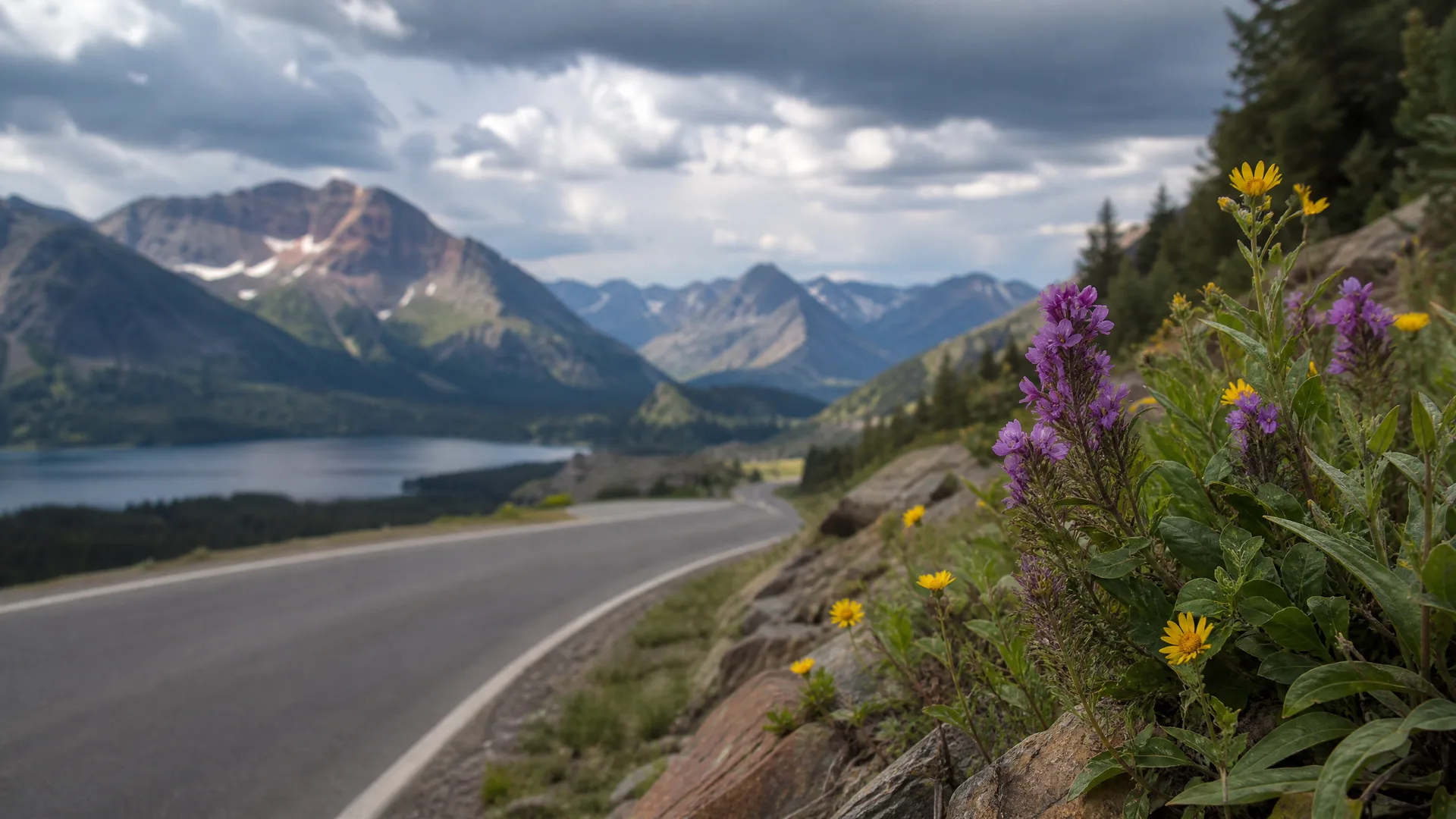
Why Car Insurance Is So Expensive — Montana
Free to compare
The Multi-Vehicle Premium Reality in Montana
You've added a second or third vehicle to your Montana policy and the total premium jumped more than you expected. The multi-car discount applied, but the combined cost still runs higher than what friends in other states pay for similar coverage. Montana's average annual auto insurance expenditure per insured vehicle sits at $1,154.92 according to 2023 data, and that figure compounds when you're insuring multiple cars under one policy.
The state's cost structure reflects a combination of factors that don't exist in more urbanized regions: vast rural distances between population centers, extreme seasonal weather that damages vehicles and increases claim frequency, and a relatively small pool of carriers writing policies in the state. When you're structuring coverage for two, three, or four vehicles, each of those cost drivers multiplies across every car on your policy.
“Montana's rural road network means every vehicle on your policy is priced for more exposure than in compact urban states.”
Meet Montana's Requirements Without Overpaying
Get My Montana Car Insurance Quote$1,154.92
Montana Annual Auto Insurance Expenditure Per Vehicle
This 2023 figure represents the average annual cost per insured vehicle in Montana. When you add multiple vehicles to one policy, this per-vehicle baseline compounds, even after the multi-car discount reduces the total.
NAIC Auto Insurance Database Report 2023
Geography and Distance Drive Base Rates Higher
Montana drivers logged 13,514 million vehicle miles in 2022 across 870,882 licensed drivers. That works out to significantly more miles per driver than in compact states, and higher annual mileage translates directly to higher collision and comprehensive claim frequency. Carriers price policies based on exposure: the more miles you drive, the more opportunities exist for an accident, a deer strike, or weather-related damage.
Rural roads carry their own risk profile. Montana recorded 1.52 traffic fatalities per 100 million vehicle miles traveled in 2023, a rate that reflects the combination of high-speed rural highways, wildlife crossings, and longer emergency response times. Thirty-four percent of those fatalities involved alcohol impairment. When carriers underwrite a Montana policy, they're pricing in the statistical reality that rural driving produces more severe claims.
For households insuring multiple vehicles, this geography factor hits twice: once in the base rate for each vehicle, and again in the liability limits you carry. Montana requires minimum liability coverage of $25,000 per person, $50,000 per accident for bodily injury, and $20,000 for property damage. Those minimums are relatively low compared to some states, but the claim severity on rural roads often exceeds them. Many multi-vehicle households carry higher limits to protect household assets, and those higher limits cost more in a state where severe accidents are statistically more common.
Montana's rural road network and high per-driver mileage mean every vehicle on your policy is priced for more exposure than in compact urban states, and the multi-car discount can't eliminate that baseline geography cost.





Limited Carrier Competition and Market Concentration
Montana's insurance market includes major national carriers alongside regional writers, but the total number of carriers writing policies in the state is smaller than in high-population states. Sixteen carriers are confirmed to write auto insurance in Montana based on available licensing and operational data, including Allstate, Farmers, Geico, Progressive, State Farm, and USAA. That roster provides choice, but it's not the deep competitive market you'd find in California, Texas, or Florida.
Market concentration affects pricing power. When fewer carriers compete for the same pool of drivers, rate pressure stays higher. Multi-vehicle households benefit from shopping across carriers, because the multi-car discount structure and base rate vary significantly. One carrier may offer a larger percentage discount but start from a higher base rate; another may offer a smaller discount on a lower base. The household that compares quotes across five or six carriers typically finds a better total cost than the household that renews with the same carrier year after year.
Carriers also vary in their appetite for multi-vehicle policies. Some actively compete for households insuring three or more vehicles, offering tiered discounts that increase with each additional car. Others treat the multi-car discount as a flat percentage regardless of vehicle count. When you're structuring coverage for multiple vehicles, identifying which carriers in Montana prioritize multi-vehicle households gives you leverage in the comparison process.
7.2%
Montana Uninsured Motorist Rate
Seven percent of Montana motorists drive without insurance, according to 2023 data. That rate is lower than many states, but it still means roughly one in fourteen drivers on the road carries no liability coverage. Uninsured motorist coverage protects your household when an at-fault driver can't pay, and it's priced into every policy.
Insurance Research Council, 2023

Structuring Coverage to Control Multi-Vehicle Cost
The multi-car discount reduces your total premium, but it doesn't eliminate the per-vehicle cost factors Montana's market imposes. Households managing cost across multiple vehicles have several structural levers: adjusting liability limits to match household assets rather than carrying the same limits on every car, varying collision and comprehensive deductibles by vehicle value, and dropping physical-damage coverage on older vehicles worth less than ten times the annual premium.
Combining policies after marriage or when a household member moves in almost always lowers the total cost compared to maintaining separate policies, because the multi-car discount applies and the household avoids duplicate policy fees. But the savings depend on each driver's record and the vehicles involved. A household adding a high-risk driver or a vehicle with a theft-prone profile may see the combined premium rise even with the discount applied. Comparing the combined-policy quote against the sum of separate policies before making the switch clarifies whether consolidation saves money in your specific situation.
Compare Carriers That Write Montana Multi-Vehicle Policies
Montana's cost structure won't change, but the carrier you choose and the way you structure coverage across your vehicles will determine whether you're paying the market rate or overpaying. Request quotes from at least four carriers that actively write multi-vehicle policies in Montana, and compare not just the total premium but the per-vehicle breakdown and the discount structure. Some carriers front-load the discount on the first two vehicles; others scale it across three or more. The household that shops thoroughly typically finds a total cost ten to twenty percent lower than the household that renews automatically.
Use Montana's minimum liability limits as a floor, not a target. The state requires $25,000 per person and $50,000 per accident for bodily injury, but a serious rural-road accident can exceed those limits quickly. Structure your liability limits to match your household's financial exposure, then adjust collision and comprehensive coverage vehicle by vehicle based on each car's value and your ability to replace it out of pocket if a total-loss claim occurs.
Weather Extremes and Comprehensive Claims
Winter storms, hail, and freeze-thaw cycles damage vehicles across the state every year. Comprehensive coverage pays for weather damage, theft, vandalism, and animal strikes. Montana recorded 165.5 motor vehicle thefts per 100,000 population in 2024, and deer collisions are common enough that many carriers treat them as an expected claim type rather than an anomaly. When you're insuring three or four vehicles, the probability that at least one will file a comprehensive claim in any given year rises significantly.
Carriers price comprehensive coverage based on claim frequency in your garaging ZIP code. If you're in a rural county with high deer-strike rates or a region prone to hailstorms, your comprehensive premium reflects that exposure. Dropping comprehensive on older vehicles is one way multi-vehicle households manage cost, but that decision requires weighing the vehicle's value against the replacement cost if a weather event or animal strike totals it.
Get Your Free Quote
Get My Montana Car Insurance QuoteFrequently Asked Questions
Why does insuring multiple cars in Montana cost more than in other states?
Montana's combination of high per-driver mileage, rural road risks, severe weather, and a smaller carrier pool drives base rates higher. When you insure multiple vehicles, those per-vehicle cost factors compound across every car on the policy, even after the multi-car discount applies. The state's average annual expenditure per insured vehicle is $1,154.92.
Does the multi-car discount in Montana offset the higher base rates?
The multi-car discount reduces your total premium compared to insuring each vehicle separately, but it doesn't eliminate Montana's underlying cost drivers. Geography, weather, and claim frequency still raise the per-vehicle base rate. The discount typically saves you ten to twenty-five percent off the combined cost, but that's applied to a higher starting figure than in lower-cost states.
Which carriers in Montana offer the best rates for households with multiple vehicles?
Rate competitiveness varies by household. Carriers writing Montana policies include Allstate, Farmers, Geico, Progressive, State Farm, and USAA, among others. Some carriers offer larger multi-car discounts but start from higher base rates; others offer smaller discounts on lower bases. Comparing quotes from four to six carriers that write multi-vehicle policies in Montana typically identifies the lowest total cost for your specific household.
Should I drop comprehensive coverage on older vehicles to lower my Montana premium?
Drop comprehensive coverage when the vehicle's value falls below ten times the annual comprehensive premium.
Does combining two separate policies into one multi-vehicle policy always save money in Montana?
Combining policies usually lowers the total cost because the multi-car discount applies and you avoid duplicate policy fees. But the savings depend on each driver's record and the vehicles involved. If one driver carries a recent violation or one vehicle has a high theft rate, the combined premium may rise. Request a combined-policy quote and compare it to the sum of your current separate policies before consolidating.
How does Montana's uninsured motorist rate affect my multi-vehicle policy cost?
Seven percent of Montana drivers are uninsured. Uninsured motorist coverage protects your household when an at-fault driver can't pay, and carriers price that risk into every policy. Montana doesn't require uninsured motorist coverage, but many multi-vehicle households carry it to protect against the financial exposure of a serious accident caused by an uninsured driver.