Car Impoundment for Driving Without Insurance — Montana
Free to compare
What Happens at the Traffic Stop
You were pulled over in Montana and cannot produce proof of insurance. The officer writes the citation, but whether your vehicle is impounded right there depends on who else is in the car and whether they hold a valid Montana license with proof of coverage. Montana statute does not require automatic impoundment for driving uninsured. The decision hinges on whether the vehicle can legally leave the scene.
If a licensed, insured household member is present and can drive, the officer typically releases the vehicle to them. If you are alone, or no one at the stop meets Montana's licensing and insurance requirements, the vehicle is towed to an impound lot. The impound is a procedural consequence of the stop, not a statutory penalty for the uninsured violation itself. You pay towing and daily storage fees to retrieve it.
“Montana does not mandate automatic impoundment for driving uninsured, but the vehicle is towed when no licensed, insured driver can take it from the stop.”

Meet Montana's Requirements Without Overpaying
Get My Montana Car Insurance Quote90 days
Montana License Suspension
Montana suspends your driver license for 90 days after a conviction for driving without insurance. The suspension begins on the conviction date, not the citation date. You must complete the suspension, pay the reinstatement fee, and pass a retest before the Motor Vehicle Division reinstates your license.
Montana Department of Justice, Motor Vehicle Division
Montana Does Not Mandate Automatic Impoundment
Montana law imposes a 90-day license suspension and requires SR-22 filing for three years after an uninsured-driving conviction, but the statute does not mandate vehicle impoundment as a penalty. Impoundment happens when the officer determines the vehicle cannot be legally driven from the stop. That determination is procedural, not punitive.
Other states write automatic impoundment into their uninsured-motorist statutes. Montana does not. The vehicle stays with you or a licensed household member if someone at the stop can legally drive it away. When that option does not exist, the vehicle is towed under general traffic-stop authority, and you pay the towing company's fees to retrieve it.
The distinction matters because impoundment fees are not a state fine. They are private-lot charges: towing, daily storage, and administrative fees set by the impound facility. Those costs accumulate daily until you retrieve the vehicle, and the lot holds a lien if fees go unpaid.
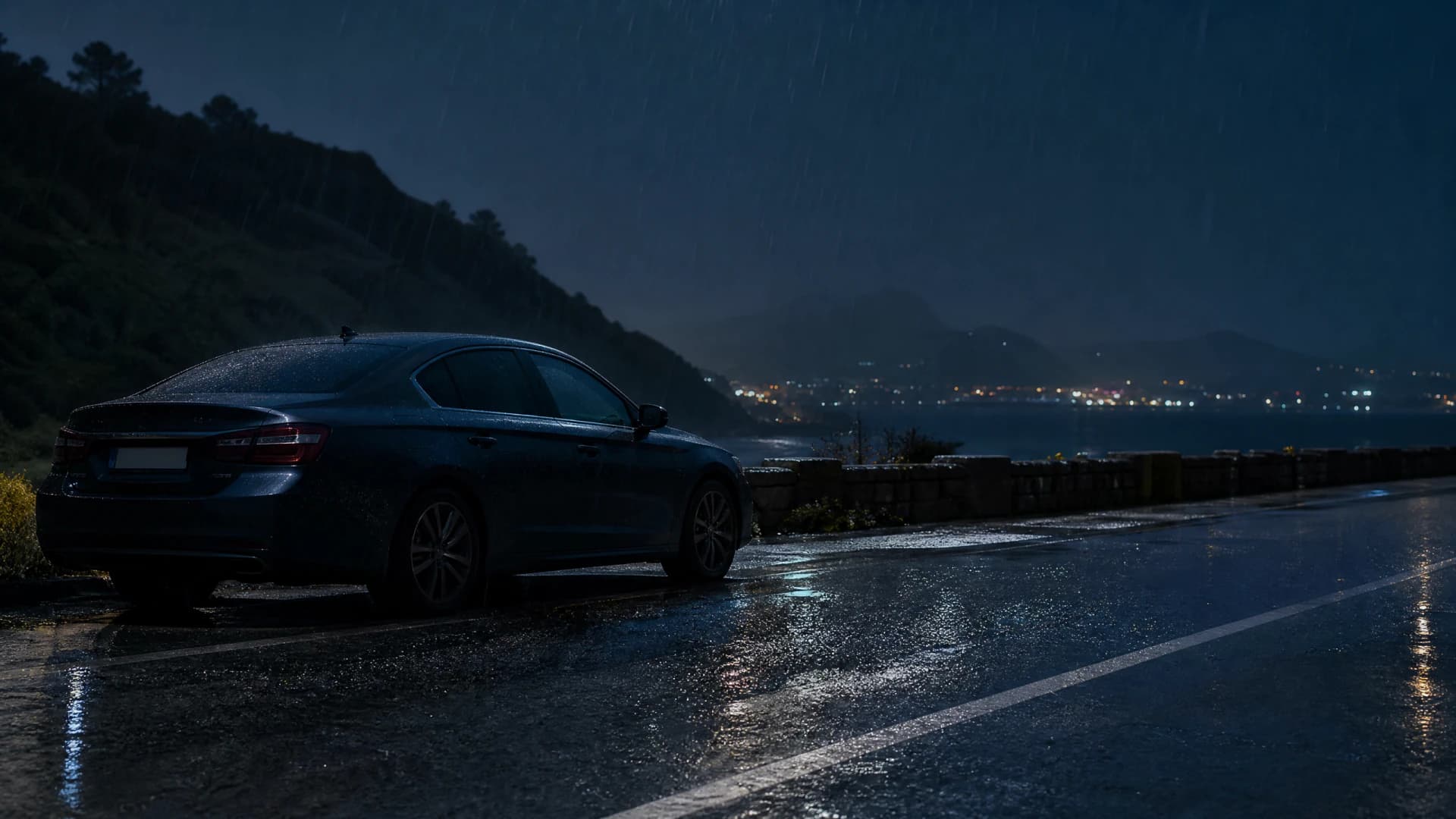
If no licensed, insured driver can take the wheel at the stop, the vehicle is towed. The impound lot charges towing and daily storage fees until you retrieve it.
Related Articles




The 90-Day Suspension and SR-22 Requirement
Montana suspends your driver license for 90 days after a conviction for driving without insurance. The suspension is mandatory. You cannot drive during the suspension period, even if you obtain insurance immediately after the citation. The suspension runs from the conviction date, not the stop date, so the timeline depends on when your court date occurs and when the court enters the conviction.
After the 90-day suspension ends, you must file SR-22 with the Motor Vehicle Division to reinstate your license. SR-22 is a certificate your insurance carrier files electronically with the state, confirming you carry at least Montana's minimum liability limits: $25,000 per person for bodily injury, $50,000 per accident, and $20,000 for property damage. The filing period lasts three years. If your policy lapses at any point during those three years, the carrier notifies the Motor Vehicle Division, and your license is suspended again until you refile.
You must also pay a reinstatement fee and pass a retest before the Motor Vehicle Division reinstates your license. The retest requirement applies specifically to uninsured-driving convictions. The state does not publish the reinstatement fee amount for this trigger, but the fee is separate from the SR-22 filing fee your carrier charges. Contact the Motor Vehicle Division to confirm the current reinstatement fee before you schedule your retest.
Not all carriers write SR-22 policies. In Montana, carriers that file SR-22 include Geico, Progressive, State Farm, Farmers, National General, Bristol West, The General, and USAA. If your current carrier does not file SR-22, you must switch to one that does. The carrier files the certificate electronically; you do not file it yourself. Expect the SR-22 filing to increase your premium, because the filing signals high-risk status to the carrier.
$25,000 / $50,000 / $20,000
Montana Minimum Liability Limits
Montana requires every driver to carry at least $25,000 per person for bodily injury, $50,000 per accident, and $20,000 for property damage. Your SR-22 filing certifies you meet these minimums. If your policy lapses during the three-year filing period, the Motor Vehicle Division suspends your license again.
Montana auto_insurance_state_data

Avoiding Impoundment at Future Stops
Once you reinstate your license and file SR-22, keep proof of insurance in the vehicle at all times. Montana accepts electronic proof on your phone, but paper cards work equally well. If you are stopped again and cannot produce proof, the officer may issue another citation even if you are insured, because Montana law requires you to provide proof on demand.
If you share vehicles with household members, confirm every driver on your policy is listed by name and every vehicle is scheduled. A household member driving your car is covered under your policy only if both the driver and the vehicle appear on the declarations page. If a household member drives a vehicle not listed on your policy, that driver is uninsured under Montana law, and the vehicle can be impounded at a stop.
What to Do Right Now
If your vehicle was impounded, call the impound lot immediately to confirm the release requirements and fee schedule. Retrieve the vehicle as soon as you can pay the fees to stop daily storage charges from accumulating. If you have not yet been convicted, obtain insurance before your court date. Showing proof of current coverage at your hearing does not eliminate the suspension, but it demonstrates compliance and may reduce other penalties the court imposes.
After your conviction, contact a carrier that writes SR-22 in Montana and request a quote for a policy that meets the state's minimum liability limits. Once the carrier files your SR-22 electronically with the Motor Vehicle Division, complete your 90-day suspension, pay the reinstatement fee, and schedule your retest. You cannot legally drive until the Motor Vehicle Division reinstates your license, even if you hold an active SR-22 policy.
Retrieving Your Vehicle from Impound
Bring your vehicle title or registration, a government-issued ID, and payment for towing and storage fees. Most lots accept cash or card, but call ahead to confirm. If someone else is retrieving the vehicle on your behalf, they must bring a notarized letter of authorization from you, along with their own ID and proof they are insured to drive the vehicle. The lot will not release to an unauthorized person.
Storage fees accrue daily, typically starting the day after the tow. If you cannot retrieve the vehicle immediately, contact the lot to understand the fee schedule and any administrative deadlines. Some lots begin lien proceedings after 30 days of unpaid storage. Retrieving the vehicle quickly minimizes cost and prevents the lot from claiming ownership through a mechanic's lien.
Get Your Free Quote
Get My Montana Car Insurance QuoteFrequently Asked Questions
Does Montana automatically impound your car if you drive without insurance?
No. Montana law does not mandate automatic impoundment for driving uninsured. The vehicle is towed only when no licensed, insured driver at the stop can legally drive it away. If a household member with a valid license and proof of insurance is present, the officer typically releases the vehicle to them.
How long is the license suspension for driving without insurance in Montana?
Montana suspends your driver license for 90 days after a conviction for driving without insurance. The suspension begins on the conviction date. You cannot drive during the suspension period, even if you obtain insurance immediately after the citation.
What is SR-22 and how long do you need it in Montana?
SR-22 is a certificate your insurance carrier files electronically with the Motor Vehicle Division, confirming you carry at least Montana's minimum liability limits. Montana requires SR-22 filing for three years after an uninsured-driving conviction. If your policy lapses during those three years, your license is suspended again until you refile.
Can you get your car out of impound without insurance in Montana?
Yes. The impound lot releases your vehicle when you provide proof of ownership, valid identification, and payment for towing and storage fees. The lot does not require proof of insurance to release the vehicle, but you cannot legally drive it without coverage. If someone else retrieves the vehicle, they must show they are insured to drive it.
Which insurance carriers file SR-22 in Montana?
Carriers that file SR-22 in Montana include Geico, Progressive, State Farm, Farmers, National General, Bristol West, The General, and USAA. Not all carriers write SR-22 policies. If your current carrier does not file SR-22, you must switch to one that does before the Motor Vehicle Division will reinstate your license.
Do you have to retake the driving test after a suspension for no insurance in Montana?
Yes. Montana requires you to pass a retest before the Motor Vehicle Division reinstates your license after a suspension for driving without insurance. You must also complete the 90-day suspension, file SR-22, and pay the reinstatement fee before you can schedule the retest.