Property Damage Liability Coverage — Montana
Free to compare
Montana Requires Property Damage Liability on Every Registered Vehicle
Montana law mandates property damage liability coverage on every registered vehicle. The state minimum is $20,000 per accident. This is not optional. You cannot register a car, renew registration, or legally drive without carrying at least this limit. Households insuring two or more vehicles must meet the requirement on every car, whether the vehicles sit on one shared policy or separate policies.
The $20,000 limit applies per accident, not per vehicle. When one of your vehicles causes property damage in a collision, the limit covers the total damage to other people's property in that single event. If you own three cars and one causes an accident, only that car's policy limit applies to the claim. The other vehicles' limits do not stack. Understanding this structure matters when you decide how to distribute coverage across a multi-car household.
“The $20,000 minimum applies per accident, not per vehicle—one car's limit does not combine with another's when both are on the same policy.”

Meet Montana's Requirements Without Overpaying
Get My Montana Car Insurance Quote$20,000
Montana Property Damage Minimum
Montana requires $20,000 property damage liability per accident on every registered vehicle. This is the floor, not a recommendation. Many households with multiple vehicles carry higher limits to protect assets beyond the minimum.
Montana state minimum liability requirements
What Property Damage Liability Actually Covers
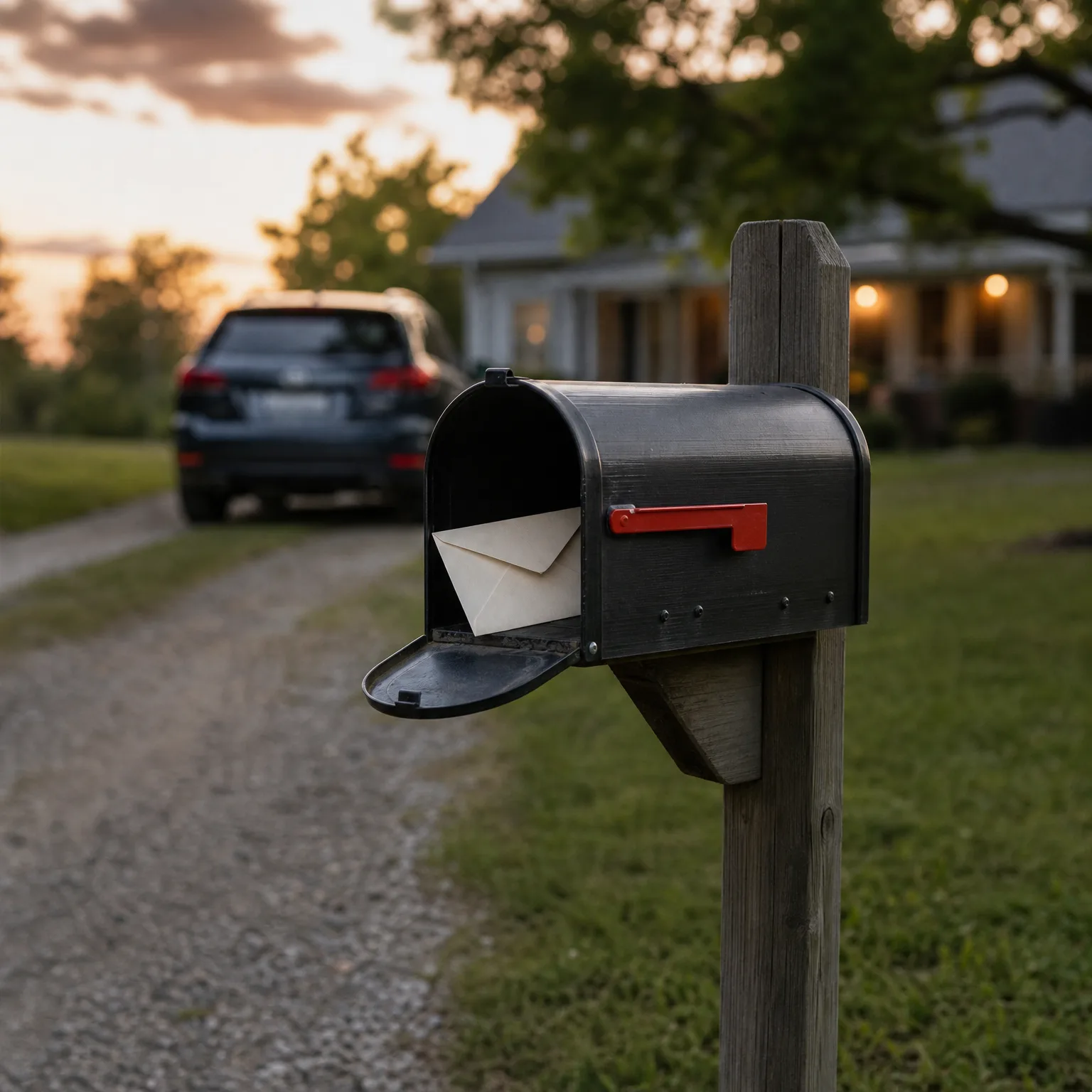
Property damage liability pays for damage your vehicle causes to someone else's property in an accident you cause. The most common claim is damage to another driver's car. The coverage also pays for damage to fences, buildings, mailboxes, guardrails, and other structures your vehicle hits. It does not cover damage to your own vehicle. That requires collision coverage, which is optional in Montana.
The $20,000 limit is the maximum your insurer pays per accident. This exposure is why many households with multiple vehicles carry higher limits. A single accident involving a newer vehicle can easily exceed $20,000 in repair costs.
Montana does not require uninsured motorist property damage coverage. If an uninsured driver hits your car, your own collision coverage pays for your vehicle's damage, or you pursue the at-fault driver directly. Property damage liability only covers damage you cause to others.
The $20,000 minimum applies per accident, not per vehicle. One car's limit does not combine with another's when both are on the same policy.
Related Articles





When the Minimum Is Not Enough
The $20,000 minimum was set years ago and has not kept pace with vehicle repair costs. A moderate collision involving a newer sedan or SUV can generate repair estimates well above $20,000. If you cause an accident that exceeds your limit, you are personally liable for the difference. Montana law allows the injured party to pursue your assets directly: wages, savings, home equity, and other property.
Households with multiple vehicles often have more assets at risk. If you own two or three cars, you likely own a home or have savings. Carrying only the minimum exposes those assets to judgment in a serious accident. The cost difference between minimum and higher limits is modest on a multi-car policy, and the protection scales with your household's financial position.
Lenders and leasing companies often require higher liability limits than the state minimum. If you finance or lease any vehicle on your policy, review the contract's insurance requirements. Most require at least $50,000 property damage liability. When one vehicle on a multi-car policy requires higher limits, raising all vehicles to that level usually costs less than splitting limits across the policy.
16 carriers
Montana Multi-Car Policy Carriers
Sixteen carriers write multi-vehicle policies in Montana, including Allstate, Geico, Progressive, State Farm, and USAA. Comparing quotes across carriers that write your household's vehicles shows which insurer prices your specific multi-car profile most competitively.
Montana licensed carrier roster

Proof of Insurance and Registration
Montana requires proof of insurance at registration and renewal. The Montana Motor Vehicle Division verifies coverage electronically through the state's insurance verification system. Your insurer reports your policy to the state. If coverage lapses on any vehicle, the state receives notice and may suspend that vehicle's registration. Households with multiple vehicles must maintain continuous coverage on every car to avoid registration suspension and reinstatement fees.
When you add a vehicle to your policy, notify your insurer immediately. Most carriers provide a grace period for newly-purchased vehicles, typically 14 to 30 days, during which the new car is automatically covered under your existing policy's limits. After the grace period, the vehicle must be formally added to the policy with its own liability limits. Missing this window can result in a coverage gap and registration issues.
Compare Carriers That Write Multi-Vehicle Policies in Montana
Montana's $20,000 property damage minimum applies to every vehicle you register. Households insuring multiple cars must meet this requirement on each vehicle, whether on one shared policy or separate policies. The limit applies per accident, not per vehicle, so one car's minimum does not combine with another's. Many households with multiple vehicles carry higher limits to protect assets beyond the minimum, and comparing carriers that write multi-car policies shows which insurer prices your specific household profile most competitively. Compare quotes from carriers licensed in Montana to structure coverage that meets the state's requirements across all your vehicles.
How the Minimum Applies Across Multiple Vehicles
A multi-car policy in Montana lists each vehicle separately with its own liability limits. If you insure three cars on one policy and each carries the $20,000 minimum, each car has its own $20,000 property damage limit. When one car causes an accident, only that car's limit applies to the claim. The other vehicles' limits remain untouched and available for future claims involving those specific vehicles. This structure protects the household from exhausting all coverage in a single event, but it also means one vehicle's minimum does not stretch to cover another's accident.
Households often choose to carry the same liability limits across all vehicles for administrative simplicity. Mixing limits on a multi-car policy is allowed, but most carriers price policies more efficiently when every vehicle carries identical liability coverage. If one vehicle requires higher limits due to financing or leasing requirements, raising all vehicles to that higher limit often costs less than maintaining split limits across the policy.
Get Your Free Quote
Get My Montana Car Insurance QuoteFrequently Asked Questions
Does Montana require property damage liability coverage?
Yes. Montana requires $20,000 property damage liability per accident on every registered vehicle. This is mandatory, not optional. You cannot register or legally drive without carrying at least this limit.
What does property damage liability cover in Montana?
Property damage liability pays for damage your vehicle causes to someone else's property in an accident you cause. This includes other vehicles, fences, buildings, and structures. It does not cover damage to your own vehicle.
Do property damage limits combine across multiple vehicles on one policy?
No. Each vehicle on a multi-car policy has its own $20,000 property damage limit. When one car causes an accident, only that car's limit applies. The other vehicles' limits do not stack or combine.
Is $20,000 property damage liability enough for a multi-car household?
The $20,000 minimum often is not enough. A moderate collision involving a newer vehicle can exceed this limit, leaving you personally liable for the difference.
What happens if I cause property damage above my $20,000 limit?
You are personally liable for the amount above your limit. Montana law allows the injured party to pursue your wages, savings, home equity, and other assets. Carrying higher limits protects your household's financial position.
Do I need property damage liability on every vehicle I own?
Yes. Montana requires the $20,000 minimum on every registered vehicle. If you insure three cars, each must carry at least $20,000 property damage liability to maintain legal registration.
Can I carry different property damage limits on different vehicles?
Yes, but most carriers price multi-car policies more efficiently when every vehicle carries identical liability limits. Mixing limits is allowed, but raising all vehicles to the same higher limit often costs less.