
Minimum Car Insurance Requirements — Montana
Free to compare
What Montana Law Requires You to Carry
Montana requires every registered vehicle to carry liability insurance with minimum limits of $25,000 per person for bodily injury, $50,000 per accident for bodily injury, and $20,000 per accident for property damage. These limits apply whether you own one car or insure multiple vehicles on a single policy. The state does not mandate personal injury protection or uninsured motorist coverage, though carriers often offer both.
The Department of Justice Motor Vehicle Division enforces these requirements at two points: when you register or renew a vehicle, and during roadside stops. You must provide proof of insurance at registration and carry proof in every vehicle you drive. Montana does not accept a grace period for newly purchased vehicles beyond the registration window — coverage must be active before you drive the car off the lot.
“Montana suspends registration automatically when a carrier reports a lapsed policy — no warning letter arrives before the suspension takes effect.”

Meet Montana's Requirements Without Overpaying
Get My Montana Car Insurance Quote$25,000 / $50,000 / $20,000
Montana Minimum Liability Limits
These limits represent the floor, not a recommendation. Bodily injury per person is $25,000, bodily injury per accident is $50,000, and property damage per accident is $20,000. Many households with multiple vehicles carry higher limits to protect assets beyond what minimum coverage provides.
Montana Department of Justice, Motor Vehicle Division
How Montana Verifies Compliance
Montana verifies insurance at registration through direct carrier reporting. When you register a vehicle, the MVD confirms your policy is active with your carrier before issuing plates. If your policy lapses after registration, the carrier notifies the MVD electronically, and the state can suspend your registration without additional notice.
Roadside verification happens during traffic stops. Law enforcement officers check proof of insurance on the spot. Acceptable proof includes a paper insurance card, a digital card displayed on your phone, or an electronic confirmation from your carrier. Montana accepts all three formats equally. If you cannot produce proof, the officer may issue a citation even if you have active coverage — the burden is on you to carry proof in the vehicle.
The state does not require you to notify the MVD when you switch carriers or update coverage, but your new carrier must file proof electronically before the old policy cancels. A gap of even one day between policies can trigger a registration suspension. When you insure multiple vehicles, the MVD tracks each vehicle's coverage independently — one lapsed policy does not automatically suspend the others, but each vehicle must maintain continuous coverage to keep its registration valid.
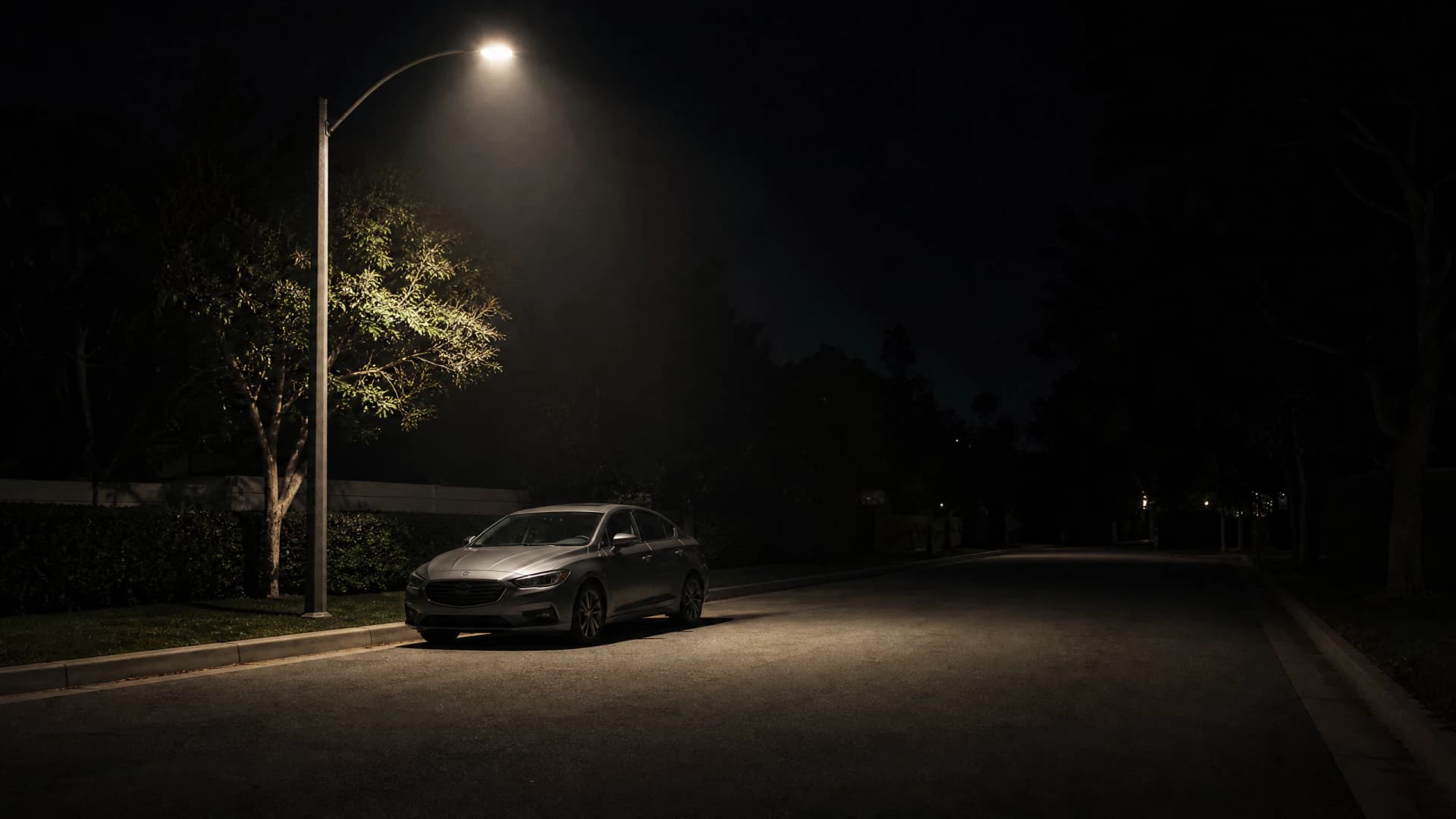
Montana suspends registration automatically when a carrier reports a lapsed policy. You will not receive a warning letter before the suspension takes effect.


Consequences of Driving Without Insurance
Montana treats driving without insurance as a misdemeanor. First-offense penalties include a fine and a requirement to carry a certificate of insurance for three years. The certificate, filed by your carrier with the MVD, proves you maintain continuous coverage. If your policy lapses during the three-year period, the MVD suspends your license and registration immediately.
A second offense within five years increases the fine and extends the certificate requirement. The state may also impound your vehicle until you provide proof of insurance and pay all fines and reinstatement fees. Montana does not offer payment plans for reinstatement fees — you must pay the full amount before the MVD will restore your driving privileges.
If you cause an accident while uninsured, you remain personally liable for all damages. Montana's fault system means the at-fault driver pays, and without insurance, that liability falls entirely on you. The injured party can sue you directly, and a judgment can attach to your wages, bank accounts, and property. Households with multiple vehicles face compounded risk: an uninsured accident involving one vehicle can expose all household assets, not just the vehicle that caused the damage.
7.2%
Montana Uninsured Motorist Rate
Approximately 7.2% of Montana drivers operate without insurance, according to 2023 data. That rate is lower than the national average but still means roughly one in fourteen drivers you encounter on Montana roads carries no coverage. Uninsured motorist coverage protects you when one of those drivers causes an accident.
Insurance Information Institute, 2023
When Minimum Coverage Is Not Enough
Minimum coverage protects the other driver, not you. If you own multiple vehicles or have household assets worth protecting, minimum limits may leave you underinsured. A single serious accident can exceed $25,000 in medical bills for one injured person, and property damage to a newer vehicle often exceeds $20,000. When your liability exceeds your coverage limits, you pay the difference personally, and Montana law does not cap that liability.
Households insuring multiple vehicles often carry higher liability limits because the incremental cost is small relative to the additional protection. Collision and comprehensive coverage, which pay for damage to your own vehicles, are optional but worth evaluating if you finance or lease any vehicle — lenders require both until the loan is paid off.
Compare Carriers That Write Montana Coverage
Montana licenses multiple carriers that write liability coverage meeting state minimums. Rates vary significantly by carrier, vehicle, driving history, and location within the state. Households insuring multiple vehicles should compare quotes from at least three carriers, because the multi-car discount structure and base rates differ across companies. Some carriers offer larger discounts when you add a second or third vehicle; others start with lower base rates but smaller percentage discounts. The better deal depends on your specific household configuration.
When comparing quotes, confirm each carrier can insure all vehicles on one policy and that the policy meets Montana's minimum limits. Ask whether the carrier files proof electronically with the MVD — all major carriers do, but smaller regional insurers may require you to submit proof manually. Verify that the policy includes roadside proof-of-insurance cards for every vehicle, in both paper and digital formats. Montana accepts both, but you must carry proof in each vehicle you drive. See Montana-specific coverage options and carrier comparisons to start your comparison.
What Minimum Coverage Actually Pays For
Bodily injury liability pays medical bills, lost wages, and legal costs when you injure someone in an accident you cause. The $25,000 per-person limit covers one injured person's expenses; the $50,000 per-accident limit is the total the policy pays when multiple people are injured. If one person's medical bills exceed $25,000, or if total bills for all injured parties exceed $50,000, you pay the difference out of pocket. Montana does not cap your personal liability — the insurance limit is the carrier's obligation, not yours.
Property damage liability pays to repair or replace another person's vehicle, fence, building, or other property you damage in an accident. The $20,000 limit covers all property damage in a single accident. Minimum coverage does not pay for your own vehicle repairs, your own medical bills, or damage caused by an uninsured driver who hits you. Those risks require collision, comprehensive, and uninsured motorist coverage, none of which Montana mandates.
Get Your Free Quote
Get My Montana Car Insurance QuoteFrequently Asked Questions
What are Montana's minimum car insurance requirements?
Montana requires $25,000 per person for bodily injury, $50,000 per accident for bodily injury, and $20,000 per accident for property damage. The state does not mandate personal injury protection or uninsured motorist coverage. Every registered vehicle must carry proof of this coverage.
Does Montana require uninsured motorist coverage?
No. Montana does not mandate uninsured motorist coverage, though carriers offer it and many drivers add it voluntarily. Approximately 7.2% of Montana drivers operate without insurance, so uninsured motorist coverage protects you when an uninsured driver causes an accident.
What counts as proof of insurance in Montana?
Montana accepts a paper insurance card, a digital card displayed on your phone, or an electronic confirmation from your carrier. You must carry proof in every vehicle you drive. If you cannot produce proof during a traffic stop, law enforcement may issue a citation even if you have active coverage.
What happens if I let my Montana car insurance lapse?
Your carrier notifies the Motor Vehicle Division electronically when your policy lapses. The MVD suspends your registration immediately, without sending a warning letter. Driving with a suspended registration is a misdemeanor and can result in fines, impoundment, and a three-year certificate-of-insurance requirement.
Can I insure multiple vehicles on one policy in Montana?
Yes. Montana allows you to insure multiple vehicles on a single policy, and most carriers offer a multi-car discount when you do. Each vehicle must meet the state's minimum liability limits, and the carrier files proof for each vehicle with the MVD. Compare quotes from multiple carriers, because discount structures and base rates vary.
Does Montana offer a grace period for newly purchased vehicles?
No. Montana does not provide a grace period for newly purchased vehicles. Coverage must be active before you drive the car off the lot, and you must provide proof of insurance when you register the vehicle. A gap of even one day can result in registration suspension.