
Out-of-State Car Purchase Insurance — Montana
Free to compare
The Registration Window Opens Before the Title Clears
You bought a car in Idaho, Wyoming, or another state and drove it home to Montana. The county treasurer will not register the vehicle without proof of Montana insurance. The out-of-state title has not transferred yet. Your existing Montana policy covers the new car for a limited window, but only if you notify your carrier within that window. Miss it, and the car sits uninsured in your driveway while you wait for the title to arrive.
Montana law requires liability insurance before registration. The state's minimum limits are $25,000 per person for bodily injury, $50,000 per accident, and $20,000 for property damage. You cannot register the out-of-state purchase until you provide proof of coverage meeting those minimums. The procedural friction: your carrier needs the VIN, the purchase price, and confirmation you own the vehicle, but the out-of-state title may take weeks to process. This article walks the sequence that keeps the car insured and legally drivable while the title clears.
“The grace period ends 14 to 30 days after purchase, not after the title arrives.”

Meet Montana's Requirements Without Overpaying
Get My Montana Car Insurance Quote$25,000 / $50,000 / $20,000
Montana Minimum Liability Limits
Montana requires $25,000 per person for bodily injury, $50,000 per accident, and $20,000 for property damage. These minimums apply to every vehicle registered in the state, including out-of-state purchases brought into Montana.
Montana Code Annotated 61-6-103
Your Existing Policy Covers the New Car for a Grace Period
Most Montana carriers extend automatic coverage to a newly acquired vehicle for 14 to 30 days after purchase, provided you already insure at least one other vehicle on the policy. The grace period applies only if you notify the carrier within that window. The new car receives the same coverage levels as the vehicle already on your policy. If your existing car carries liability only, the new car gets liability only during the grace period. If your existing car carries full coverage, the new car gets full coverage.
The grace period is not a substitute for adding the vehicle permanently. It exists to give you time to notify the carrier and complete the title transfer. After the grace period expires, the new car is uninsured unless you have formally added it to the policy. Carriers do not automatically extend coverage beyond the grace window, even if the out-of-state title has not arrived. Call your carrier the day you buy the car. Provide the VIN, the purchase date, and the seller's information. The carrier will note the acquisition and confirm the grace period end date.
If you do not already have a Montana auto policy, you cannot rely on a grace period. You must bind new coverage before driving the car home. Contact a carrier that writes Montana policies, provide the VIN and purchase details, and bind coverage effective the purchase date. The carrier will issue proof of insurance immediately, which you will need to register the vehicle once the title clears.
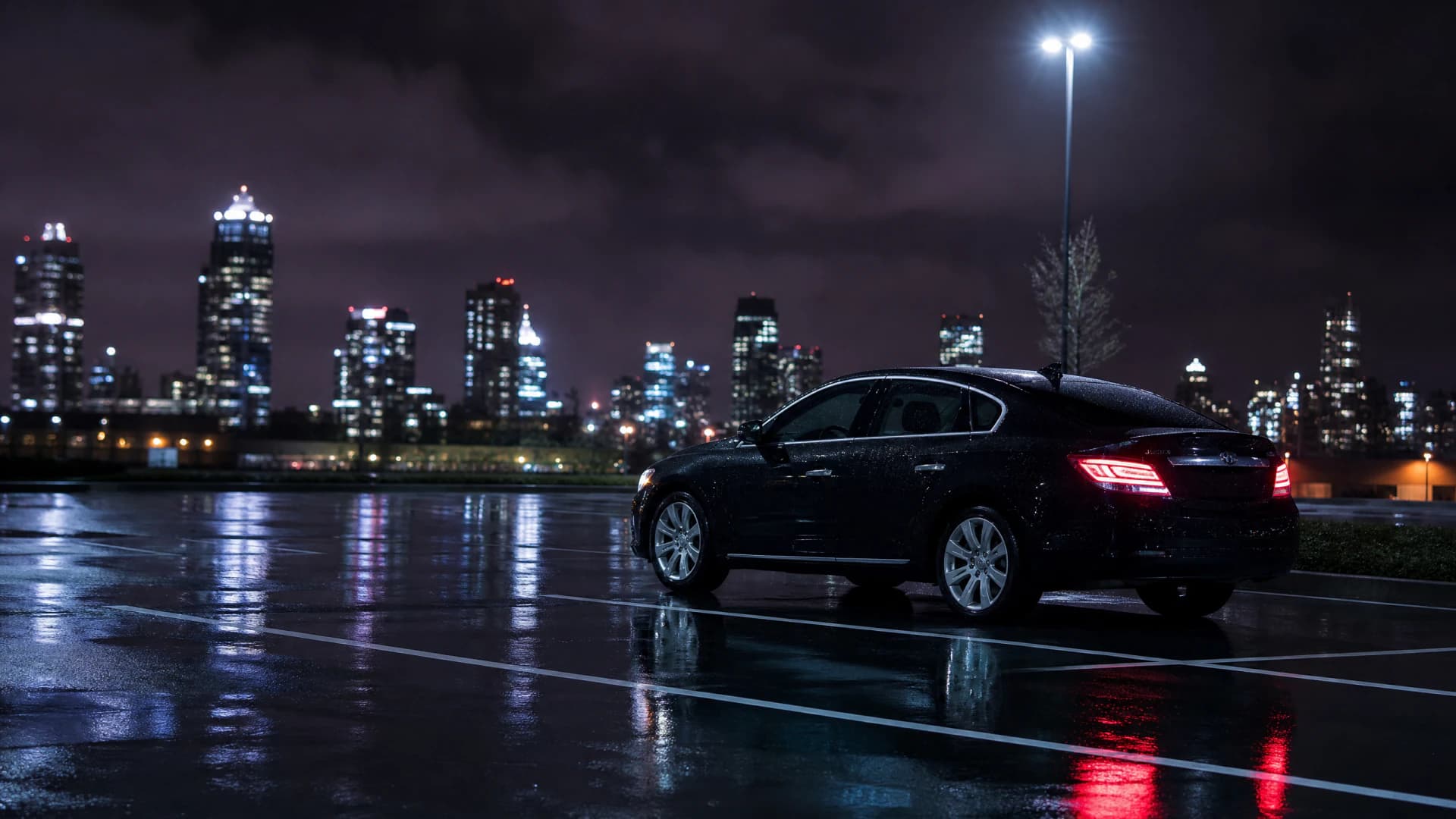
The grace period ends 14 to 30 days after purchase, not after the title arrives. If the out-of-state title takes longer to process, the car sits uninsured unless you formally add it to your policy before the grace period expires.



The Multi-Car Discount Applies When You Add the Vehicle
Montana carriers offer a multi-car discount when you insure two or more vehicles on the same policy. The discount applies to every vehicle on the policy, not just the newly added one. Adding the out-of-state purchase to your existing policy triggers the discount if you did not already have multiple vehicles insured. The discount reduces the per-vehicle premium, but the total policy cost still increases because you are insuring an additional car.
The multi-car discount requires every vehicle to sit on the same policy and, for most carriers, to be garaged at the same address. If the new car will be garaged at a different address than your existing vehicles, tell the carrier when you add it. The carrier will rate the vehicle based on the garaging address, which affects the premium. Some carriers will not apply the multi-car discount if the vehicles are garaged at different addresses. Ask the carrier explicitly whether the discount applies to your situation before binding coverage.
If you are buying the car for a household member who will be the primary driver, the carrier will add that driver to the policy when you add the vehicle. The driver's age, driving record, and violation history affect the premium. Carriers re-rate the entire policy when you add a vehicle and a driver, not just the new car. The total premium increase reflects both the new vehicle and the new driver. If the household member already appears on your policy as a listed driver, adding the vehicle does not trigger a driver-related rate change.
60 days
Montana Temporary Permit Window
Montana allows a 60-day temporary permit for vehicles purchased out of state while the title transfer processes. The permit lets you drive legally during the transfer window, but you must provide proof of Montana insurance to obtain it.
Montana Motor Vehicle Division
Full Coverage Depends on the Lender and the Vehicle Value
If you financed the out-of-state purchase, the lender requires full coverage until the loan is paid off. Full coverage includes collision and comprehensive in addition to the state's minimum liability limits. The lender is listed as the lienholder on the policy. If you do not carry full coverage, the lender will force-place coverage at a much higher cost and add that cost to your loan balance. Tell your carrier the vehicle is financed when you add it to the policy. The carrier will bind full coverage and list the lender as the lienholder automatically.
If you paid cash for the vehicle, full coverage is optional. Collision pays to repair your car after an accident regardless of fault. Comprehensive pays for theft, vandalism, weather damage, and animal strikes. Whether full coverage makes sense depends on the vehicle's value and your ability to replace it out of pocket. A rule of thumb: if the vehicle is worth less than ten times the annual cost of collision and comprehensive, consider dropping those coverages and carrying liability only. If the vehicle is worth more, full coverage protects your asset.
Compare Carriers Before You Add the Vehicle
Adding a vehicle re-rates your entire policy. The total premium increase depends on the new car's value, the primary driver's record, and the coverage levels you select. Some carriers offer better multi-car discounts than others. Some carriers rate certain vehicle types more favorably. Before you add the out-of-state purchase to your existing policy, compare quotes from other Montana carriers to confirm your current carrier still offers the best rate for your household.
Fifteen carriers write auto insurance in Montana and can bind coverage for an out-of-state purchase during the title transfer window. State Farm, Geico, Progressive, Allstate, Farmers, USAA, Nationwide, Liberty Mutual, Travelers, and others operate statewide. Request quotes from at least three carriers. Provide the VIN, the purchase price, the primary driver's information, and the coverage levels you want. Compare the total policy cost after adding the new vehicle, not just the incremental cost of the new car. Switching carriers when you add a vehicle can save more than staying with your current carrier and accepting the rate increase.
Adding the Vehicle Before the Title Clears
Call your carrier within the grace period and request to add the vehicle permanently. Provide the VIN, the purchase price, the out-of-state title number, and the date you bought the car. The carrier will rate the vehicle based on the VIN and your existing coverage selections. If you carry full coverage on your other vehicles, the carrier will quote full coverage for the new car. If you carry liability only, the carrier will quote liability only. You can adjust coverage levels at this point. The carrier will bind the new coverage immediately and issue updated proof of insurance.
The county treasurer requires proof of Montana insurance to register the vehicle. The carrier's proof-of-insurance document lists the VIN, the coverage effective date, and the policy number. Bring that document, the out-of-state title, the bill of sale, and payment for registration fees to the county treasurer's office. Montana allows a 60-day temporary permit for vehicles with out-of-state titles. The temporary permit lets you drive legally while the title transfer processes. Once the Montana title arrives, return to the treasurer's office to complete permanent registration.
Get Your Free Quote
Get My Montana Car Insurance QuoteFrequently Asked Questions
Can I register an out-of-state car in Montana without the title?
No. Montana requires the out-of-state title, proof of Montana insurance, and payment of registration fees to complete permanent registration. You can obtain a 60-day temporary permit with the out-of-state title and proof of insurance while the Montana title processes.
Does my Montana insurance cover a car I just bought in another state?
Yes, if you already insure at least one vehicle on a Montana policy. Most carriers extend automatic coverage to a newly acquired vehicle for 14 to 30 days after purchase, provided you notify the carrier within that window. The new car receives the same coverage levels as your existing vehicle during the grace period.
How long does it take to transfer an out-of-state title to Montana?
Title transfer timing varies by the state where you bought the car and the county treasurer's processing load. Most transfers complete within two to four weeks. Montana allows a 60-day temporary permit to drive legally while the title processes.
Do I need full coverage on a car I bought out of state?
If you financed the vehicle, the lender requires full coverage until the loan is paid off. If you paid cash, full coverage is optional. Montana requires only liability insurance to register the vehicle, but collision and comprehensive protect your asset if the car is worth more than ten times the annual cost of those coverages.
Will adding an out-of-state car to my policy increase my premium?
Yes. Adding a vehicle re-rates your entire policy. The total premium increase depends on the new car's value, the primary driver's record, and the coverage levels you select. The multi-car discount reduces the per-vehicle cost, but the total policy cost still increases because you are insuring an additional car.
Can I insure an out-of-state car before I register it in Montana?
Yes. Carriers will bind coverage on an out-of-state purchase using the VIN, the out-of-state title, and the bill of sale. You need proof of Montana insurance to register the vehicle, so binding coverage before you visit the county treasurer's office is the correct sequence.