
Montana Minimum vs Full Coverage — Multi-Car Households
Free to compare
The Multi-Vehicle Coverage Decision
You own three vehicles in Montana and you're trying to decide whether to carry state minimum liability on all of them or upgrade one or two to full coverage. The premium difference across multiple cars is significant, but so is the risk of being underinsured on a vehicle worth more than the state's $20,000 property damage minimum can cover.
Montana law requires $25,000 bodily injury per person, $50,000 per accident, and $20,000 property damage on every registered vehicle. That's the floor. Full coverage adds collision (pays for damage to your own vehicle regardless of fault) and comprehensive (pays for theft, weather, vandalism). The structural question for multi-car households is whether every vehicle needs the same level of protection, or whether you can mix minimum and full coverage on one policy without creating gaps.
“Collision and comprehensive are per-vehicle coverages — the full-coverage vehicle's protection does not extend to the liability-only vehicle at claim time.”

Meet Montana's Requirements Without Overpaying
Get My Montana Car Insurance Quote$25,000/$50,000/$20,000
Montana Minimum Liability Limits
Every vehicle registered in Montana must carry at least $25,000 bodily injury per person, $50,000 per accident, and $20,000 property damage. These limits apply per vehicle, not per policy.
Montana Code Annotated 61-6-103
What Minimum Coverage Actually Protects
Minimum liability in Montana covers damage you cause to others: their medical bills up to $25,000 per person and $50,000 total per accident, and their property (usually their vehicle) up to $20,000. It does not cover your own vehicle. If you're at fault in a crash, your car's repairs come out of pocket unless you carry collision coverage.
For a multi-car household, this means a minimum-coverage vehicle is fully exposed to total-loss risk. The $20,000 property damage limit covers the other driver's car, not yours.
Montana does not require uninsured motorist coverage or personal injury protection, but both are available as optional add-ons. Uninsured motorist coverage pays when the at-fault driver has no insurance or insufficient limits. With 7.2% of Montana drivers uninsured, that's roughly one in fourteen vehicles on the road. Adding uninsured motorist to a minimum-coverage vehicle costs less than adding full collision and comprehensive, but it still only covers you when the other driver is at fault and uninsured.
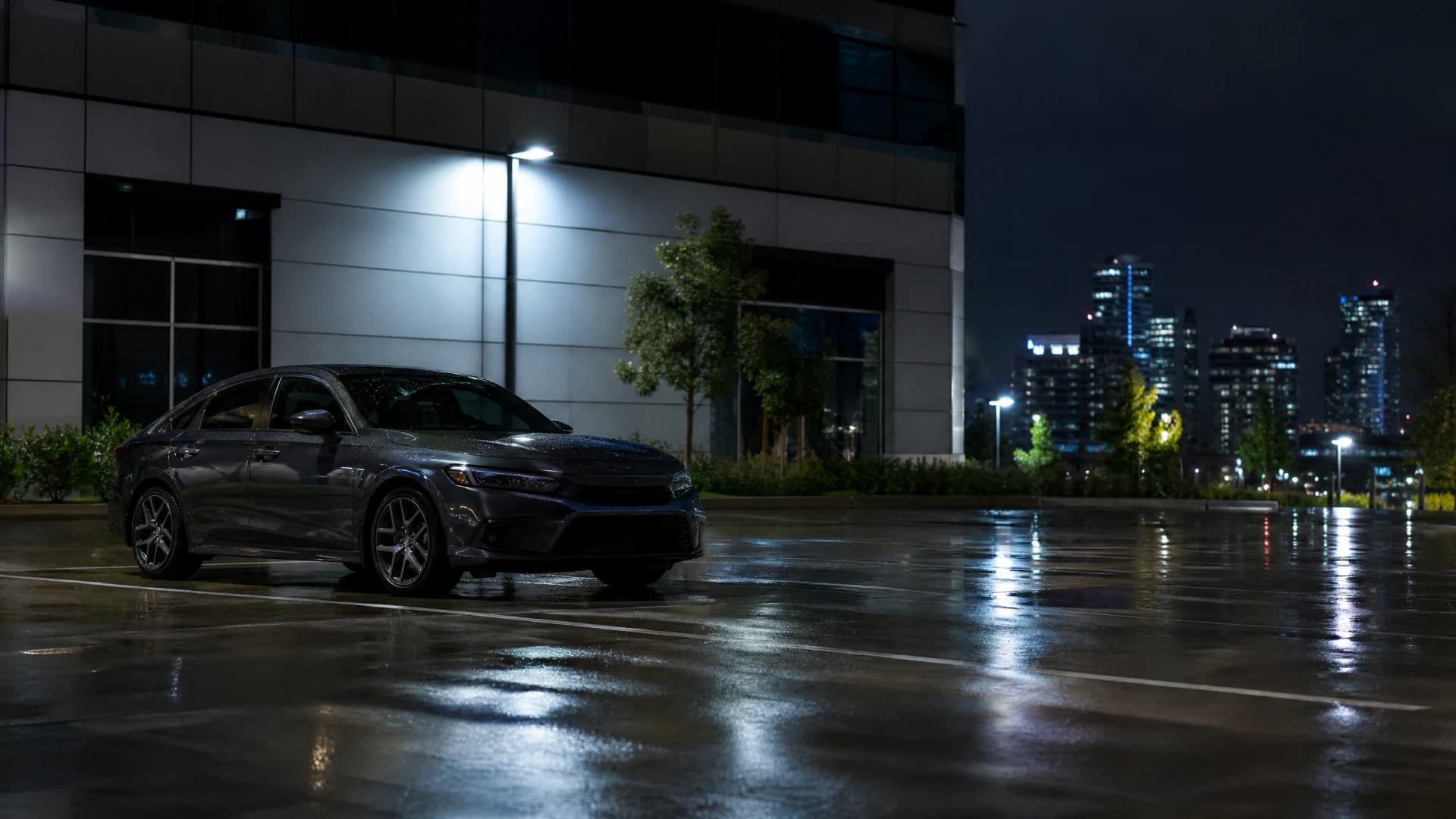
Most carriers let you mix coverage levels on one policy, but each vehicle's protection is independent — minimum coverage on Car A does not borrow from full coverage on Car B at claim time.

Mixing Coverage Levels on One Policy
Montana carriers allow you to assign different coverage levels to different vehicles on the same policy. Vehicle A can carry full coverage, Vehicle B can carry liability only, and Vehicle C can carry liability plus uninsured motorist. Each vehicle's premium reflects its own coverage selections, and each vehicle's claim payout is independent.
The structural reality most households miss: collision and comprehensive are per-vehicle coverages, not per-policy. If you total the minimum-coverage vehicle, the full-coverage vehicle's collision does not help you. The two vehicles do not share a coverage pool. This is not a carrier restriction; it's how auto insurance is structured under Montana law. Each vehicle is a separate insurable interest with its own coverage stack.
When you add or remove a vehicle mid-term, the carrier re-rates the entire policy. Adding a third vehicle with full coverage increases the total premium, but it also recalculates the multi-car discount across all three vehicles. Removing a vehicle does the same in reverse. Most carriers apply a multi-car discount when two or more vehicles sit on the same policy, but the discount percentage varies by carrier and is not disclosed in rate filings.
16 carriers
Montana Multi-Car Policy Options
Sixteen carriers write multi-vehicle policies in Montana, including Allstate, Farmers, Geico, Progressive, State Farm, and USAA. Coverage-level flexibility and multi-car discount structures vary by carrier.
Montana insurance carrier roster
When to Drop Full Coverage on a Vehicle
Drop collision and comprehensive when the vehicle's actual cash value falls below the threshold where paying for those coverages costs more than self-insuring the loss.
For multi-car households, this calculation runs per vehicle. The sedan and SUV justify the collision and comprehensive cost; the truck does not. Montana does not require you to carry the same coverage level on every vehicle, and most households should not.
Compare Carriers for Multi-Vehicle Structures
Carriers differ in how they price mixed-coverage policies. Some apply a larger multi-car discount when every vehicle carries full coverage; others apply the same discount regardless of coverage level. Some re-rate the entire policy when you drop collision on one vehicle; others adjust only that vehicle's premium. These differences are not published, and you will not know which structure your carrier uses until you request a quote with specific coverage selections for each vehicle.
Request quotes from at least three carriers, specifying the exact coverage level for each vehicle. State the year, make, model, and approximate value of each vehicle, and ask for quotes with full coverage on some vehicles and liability-only on others. Compare the total premium and the per-vehicle breakdown. The carrier with the lowest total premium for your specific mix of coverage levels is the one that fits your household structure, not the carrier with the lowest advertised rate for a single vehicle.
Full Coverage: Collision and Comprehensive
Collision pays for damage to your vehicle in an at-fault accident or a crash where fault is unclear. Comprehensive pays for non-collision losses: theft, hail, flood, fire, vandalism, hitting an animal. Both coverages require a deductible (typically $500 or $1,000), and both pay up to the vehicle's actual cash value minus the deductible.
For multi-car households, full coverage makes sense on vehicles you cannot afford to replace out of pocket. The rule of thumb: if the vehicle's value is less than ten times the annual cost of collision and comprehensive, drop those coverages and carry liability only. Montana's vehicle theft rate is 165.5 per 100,000 residents, lower than the national average, but comprehensive still protects against weather and animal strikes, which are common in rural areas.
Get Your Free Quote
Get My Montana Car Insurance QuoteFrequently Asked Questions
Can I carry minimum coverage on one car and full coverage on another on the same Montana policy?
Yes. Montana carriers allow you to assign different coverage levels to different vehicles on one policy. Each vehicle's premium reflects its own coverage selections, and each vehicle's claim payout is independent. The multi-car discount applies to the policy as a whole, but collision and comprehensive are per-vehicle coverages.
Does Montana require the same coverage on every vehicle I own?
No. Montana requires every registered vehicle to carry at least $25,000/$50,000/$20,000 liability, but you can add collision, comprehensive, and uninsured motorist coverage to some vehicles and not others. Each vehicle must meet the state minimum, but you control everything above that floor.
What happens if I total a car that only has minimum coverage in Montana?
You receive no payout for your own vehicle. Minimum liability covers damage you cause to others, not damage to your own car. The other driver's repairs are covered up to your $20,000 property damage limit.
How does dropping collision on one vehicle affect my multi-car discount in Montana?
The multi-car discount typically remains in place as long as two or more vehicles sit on the same policy, but some carriers re-rate the entire policy when you change coverage on any vehicle. The total premium drops when you remove collision, but the per-vehicle discount percentage may shift. Request a revised quote to see the exact impact.
Should I carry uninsured motorist coverage on a minimum-coverage vehicle in Montana?
Uninsured motorist coverage protects you when an at-fault driver has no insurance or insufficient limits. Montana does not require it, but 7.2% of Montana drivers are uninsured. Adding uninsured motorist to a liability-only vehicle costs less than full collision and comprehensive, and it covers you in crashes where the other driver is at fault and uninsured.