
State Farm Car Insurance — Montana
Free to compare
State Farm Writes Multi-Car Policies in Montana
State Farm is licensed to write auto insurance in Montana and offers multi-car policies to households insuring two or more vehicles. The carrier writes coverage across all 56 Montana counties and accepts applications online, by phone, or through local agents. If you're adding a second or third vehicle to an existing State Farm policy or considering State Farm for a new multi-car household, the carrier is available statewide.
The question is not whether State Farm writes here — it does — but whether its multi-car discount structure, same-policy requirements, and household rules fit your specific vehicle and driver situation better than the 15 other carriers writing multi-car policies in Montana. State Farm's multi-car discount requires every vehicle to sit on the same policy, and the discount applies to the policy as a whole, not to individual vehicles. That structure works well for some households and poorly for others.
“A vehicle titled to a household member on a separate State Farm policy does not qualify for your multi-car discount.”

Meet Montana's Requirements Without Overpaying
Get My Montana Car Insurance Quote16 carriers
Montana Multi-Car Carriers
Sixteen carriers write multi-car auto insurance in Montana, including State Farm, Geico, Progressive, Farmers, Allstate, and USAA. Each carrier structures its multi-car discount differently — some require all vehicles garaged at the same address, others allow separate garaging within the same household.
Montana Commissioner of Securities and Insurance carrier roster, 2025
Same-Policy Requirement and Household Structure
State Farm's multi-car discount applies when all vehicles in the household are insured on a single policy. A vehicle titled to a household member but insured on a separate policy — even if that separate policy is also with State Farm — does not count toward the multi-car discount on your policy. The discount is policy-specific, not carrier-specific.
This matters most when household members have separate policies for reasons of credit, driving history, or prior coverage. Combining those policies into one may trigger a full re-rating of every vehicle and driver on the combined policy. If one household member carries a recent violation or a lower credit tier, adding their vehicle to your policy can raise the premium on all vehicles, not just theirs. The multi-car discount does not always offset that increase.
State Farm also requires that all drivers in the household who have access to the vehicles be listed on the policy, either as rated drivers or as excluded drivers. A household member who drives occasionally but is not listed can create a coverage gap at claim time. If you're combining two policies after marriage or a move, every driver in the new household must be disclosed and rated.
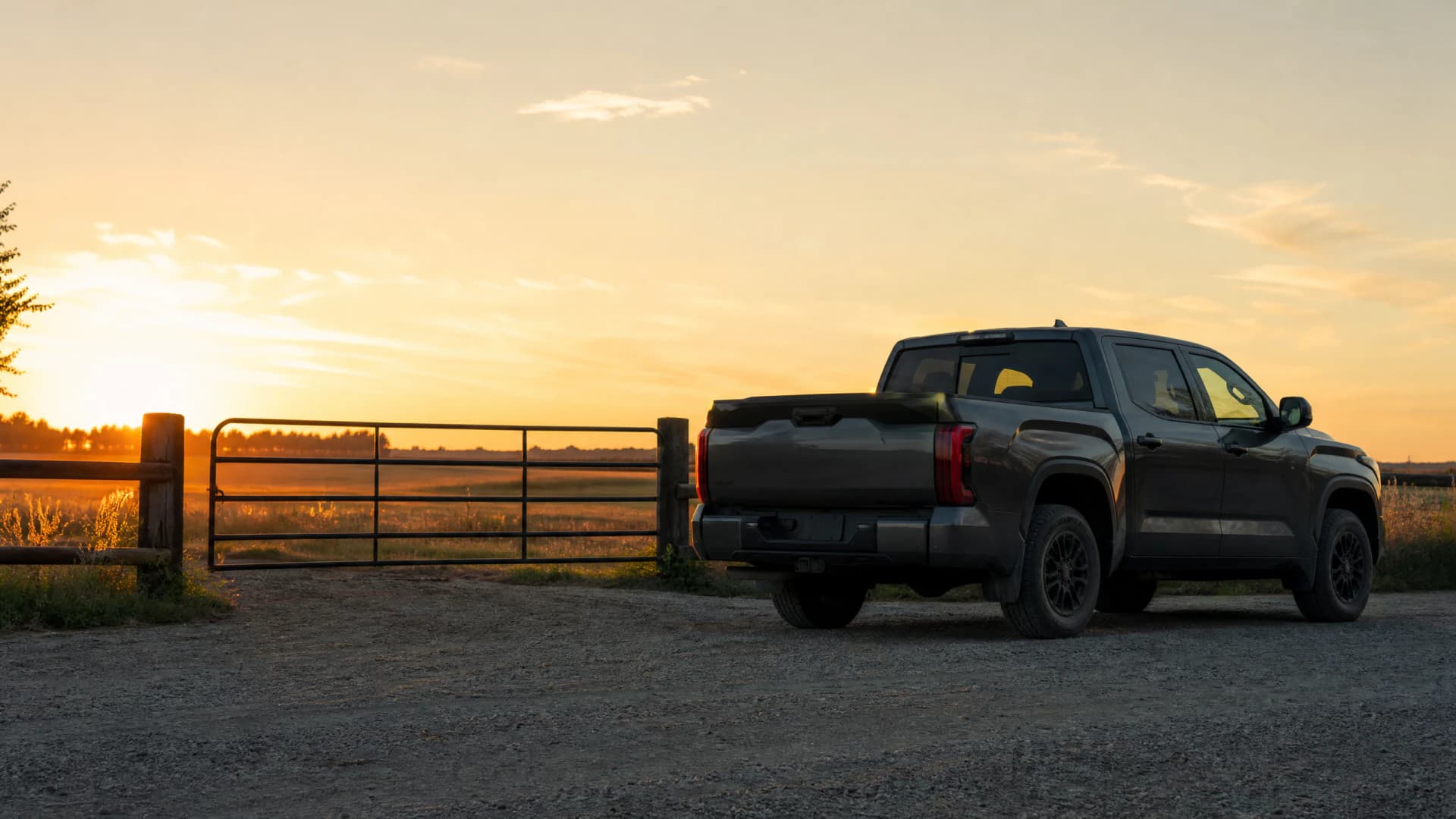
A vehicle titled to a household member on a separate State Farm policy does not qualify for your multi-car discount — the discount requires all vehicles on the same policy.


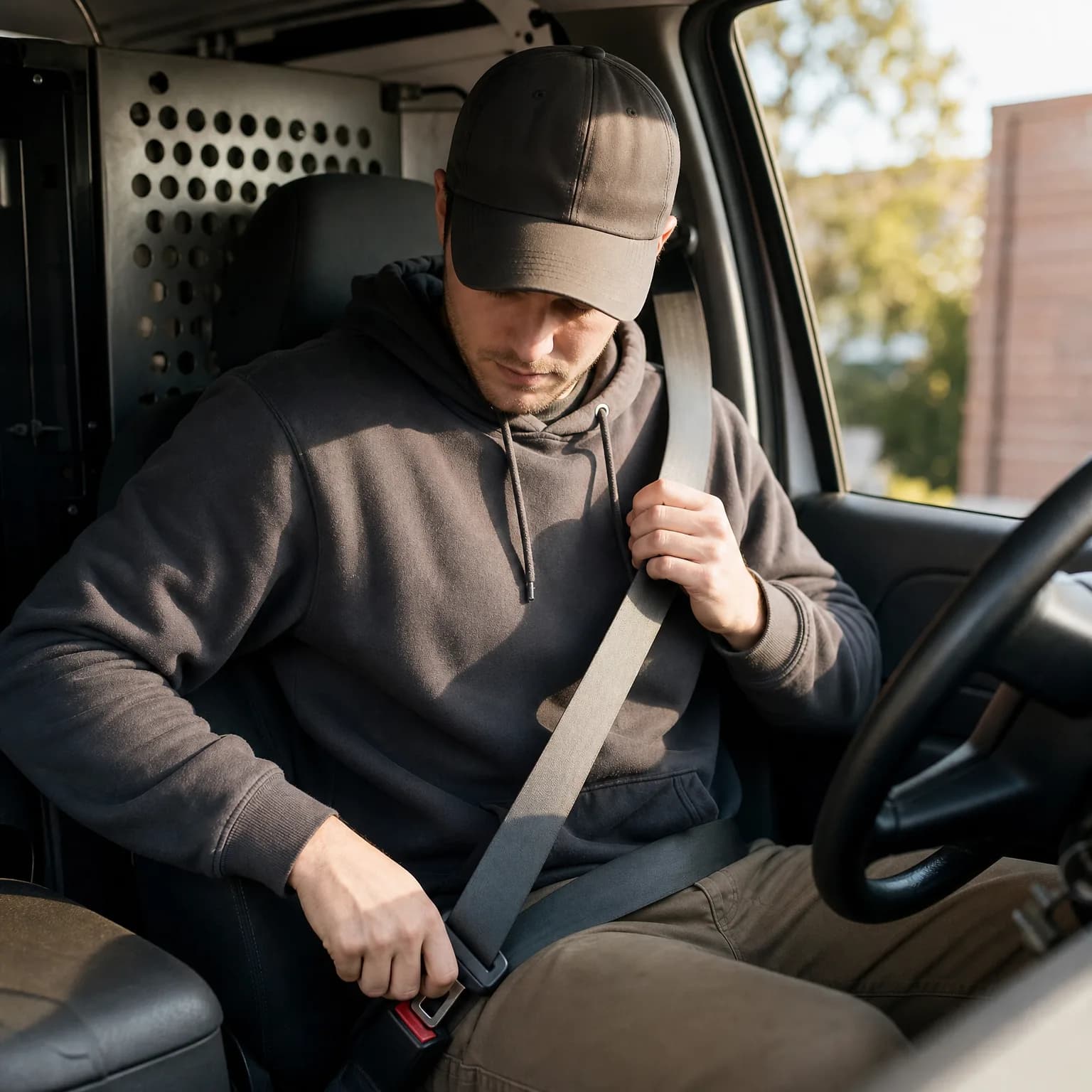




Montana Minimum Liability and Coverage Requirements
Montana requires minimum liability coverage of $25,000 per person for bodily injury, $50,000 per accident for bodily injury, and $20,000 per accident for property damage. These minimums apply to every vehicle on the policy. State Farm writes policies that meet or exceed these limits, and most multi-car households choose higher limits to protect household assets across all vehicles.
Montana does not mandate personal injury protection or uninsured motorist coverage, but both are available as optional coverages. Uninsured motorist coverage is particularly relevant in Montana, where 7.2 percent of drivers are uninsured. If one vehicle on your multi-car policy is financed or leased, the lender will require collision and comprehensive coverage on that vehicle, but those coverages are optional for vehicles you own outright.
When structuring a multi-car policy, you can assign different coverage levels to different vehicles — full coverage on financed vehicles, liability-only on older paid-off vehicles — all within the same policy. State Farm allows this flexibility, and it is one of the advantages of a true multi-car policy over separate single-vehicle policies.
$25,000 / $50,000 / $20,000
Montana Liability Minimums
Montana requires $25,000 per person bodily injury, $50,000 per accident bodily injury, and $20,000 property damage. These are the minimum limits required to register and legally drive any vehicle in the state.
Montana Motor Vehicle Division, MCA 61-6-103

Comparing State Farm Against Other Montana Carriers
State Farm is one of 16 carriers writing multi-car policies in Montana. Geico, Progressive, Farmers, Allstate, USAA, Travelers, Liberty Mutual, and eight other carriers also write here, and each structures its multi-car discount and same-policy requirements differently. Some carriers offer larger discounts for three or more vehicles; others apply the discount only when all vehicles are garaged at the same address.
The multi-car discount is not a fixed percentage across carriers. A smaller discount applied to a lower base rate can result in a lower total premium than a larger discount applied to a higher base rate. The only way to know which carrier offers the lowest total premium for your specific household — vehicle types, driver ages, garaging addresses, and coverage levels — is to compare quotes from multiple carriers writing in Montana. State Farm may be the best fit for your household, or another carrier may offer a lower combined premium for the same coverage.
Next Step for Montana Multi-Car Households
State Farm writes multi-car policies in Montana and is a strong option for households with multiple vehicles, but it is not the only option. Compare State Farm's quote against quotes from Geico, Progressive, Farmers, and other carriers writing here. Request quotes that include all vehicles, all drivers, and the coverage levels you need for each vehicle. The comparison will show you which carrier's multi-car discount and base rate combination produces the lowest total premium for your household. Start with the carriers listed on this site's Montana car insurance page, and request quotes from at least three carriers before deciding.
Adding a Vehicle Mid-Term
State Farm recalculates the premium for all vehicles on the policy when a new vehicle is added, applying the multi-car discount to the expanded policy. The new premium is prorated for the remainder of the current term, and the full recalculated premium takes effect at the next renewal. This means the cost of adding a third vehicle is not just the standalone cost of insuring that vehicle — it is the difference between the old policy premium and the new policy premium after re-rating.
Most carriers, including State Farm, provide a grace period during which a newly-purchased vehicle is automatically covered under the existing policy before it must be formally added. That grace period is typically 14 to 30 days, but the exact window varies by carrier and state. If the vehicle is not added within the grace period, coverage for that vehicle can be denied at claim time. Contact State Farm directly to confirm the grace period and add the vehicle before the window closes.
Get Your Free Quote
Get My Montana Car Insurance QuoteFrequently Asked Questions
Does State Farm offer a multi-car discount in Montana?
Yes. State Farm offers a multi-car discount in Montana when all vehicles in the household are insured on the same policy. The discount applies to the policy as a whole, not to individual vehicles.
Can I add a vehicle to my State Farm policy mid-term in Montana?
Yes. State Farm allows you to add a vehicle mid-term, and the carrier re-rates the entire policy when the new vehicle is added. The new premium is prorated for the remainder of the current term.
What is Montana's minimum car insurance requirement?
Montana requires $25,000 per person for bodily injury, $50,000 per accident for bodily injury, and $20,000 per accident for property damage. These minimums apply to every vehicle registered in the state.
Do all vehicles on a State Farm multi-car policy need the same coverage?
No. State Farm allows different coverage levels on different vehicles within the same multi-car policy. You can carry full coverage on financed vehicles and liability-only on older vehicles you own outright.
How many carriers write multi-car insurance in Montana?
Sixteen carriers write multi-car auto insurance in Montana, including State Farm, Geico, Progressive, Farmers, Allstate, USAA, Travelers, and Liberty Mutual. Each carrier structures its multi-car discount differently.